
REVIEW · RANUA WILDLIFE PARK TRIPS
Ranua: Wildlife Park Entrance Ticket
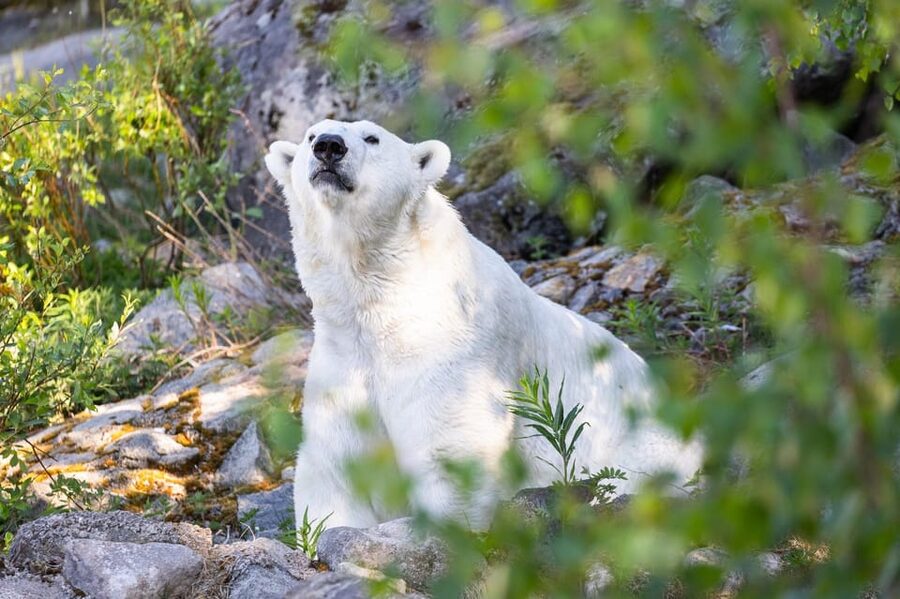
Arctic animals, minus the hassle. Ranua Wildlife Park is a one-day ticket that lets you explore a spacious arctic animal setting in the northern conifer forest, with Finland’s only polar bear as the headline. I like that the park feels built around nature, not crowd chaos. The one drawback to keep in mind is that in winter, you may see fewer active animals, and the polar bear might not be out every time you look.
You’ll do a loop that is about 3 kilometers and usually takes 1.5 to 2 hours at a relaxed pace. It is open every day of the year, so the vibe changes with the season, whether you arrive in deep winter or at brighter times of year.
In This Review
- Key Things That Make Ranua Wildlife Park Worth Your Time
- Ranua Wildlife Park in Lapland: What Your 1-Day Ticket Really Delivers
- Tickets, Wristbands, and How the 3 km Route Shapes the Day
- Finland’s Only Polar Bear: How to Enjoy the Main Attraction Without Getting Burned
- More Than One Animal: Lynx, Owls, and the Arctic Mix
- Seasons in Lapland: Winter Visits, Animal Behavior, and Photo Timing
- How the Park Keeps It Calm: Rules That Actually Matter
- What the Visit Feels Like From Start to Finish
- Lunch at Ranua Resort Buffet: A Solid Reset During Your Walk
- Price and Value: Is $31 Worth It?
- Who This Is Perfect For, and Who Should Rethink It
- Should You Book Ranua Wildlife Park Entrance Ticket?
- FAQ
- How long is the Ranua Wildlife Park entrance visit?
- Is Ranua Wildlife Park open all year?
- What animals will I see?
- How much does the ticket cost?
- Where do I meet for the activity?
- How long is the ticket valid?
- Is the park wheelchair accessible?
- Can I bring pets?
- Can I feed or touch the animals?
- What should I bring to the park?
- What is the cancellation policy?
Key Things That Make Ranua Wildlife Park Worth Your Time
- Finland’s only polar bear is the big reason many people come
- 50 other arctic and northern species means you get variety beyond one animal
- A 3 km walk route is long enough to feel like an outing, not a marathon
- Natural-feeling enclosures sit in the middle of the conifer forest
- All-year opening lets you plan around Lapland season changes
- Quiet rules help keep the park calm and focused on wildlife
Ranua, other ways in
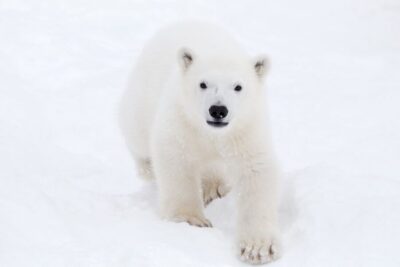
Ranua Wildlife Park in Lapland: What Your 1-Day Ticket Really Delivers
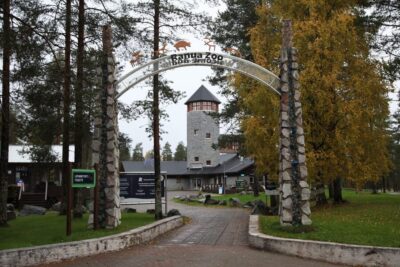
Ranua Wildlife Park is simple by design. You get an entrance ticket and then follow the walking route through an arctic animal preserve in northern conifer forest. Instead of a typical zoo feel, the park reads more like a long nature walk where you stop often, look carefully, and let the animals do their thing.
The highlight, of course, is the polar bear. But I find it helps to think of her as part of a bigger wildlife picture. You’re paying for a full route of arctic and northern species, and the park is built around that idea. You also benefit from the fact that it is open every day of the year, so you do not have to stress about closures during the busy or harsh periods of Lapland.
The overall pace is manageable. Most people take about 1.5 to 2 hours to walk the route, which makes it a strong fit for a day that already includes other winter activities. If your main goal is a quick polar bear check and photos, you can still do it. If you want more, you’ll have time to slow down, watch behavior, and catch animal activity that might happen in quiet bursts.
Tickets, Wristbands, and How the 3 km Route Shapes the Day
Your visit starts when you arrive. You get your wristbands from ticket sales as you come in, so you can walk in and get settled without complicated pre-arrival steps. The ticket is valid for one day, and there are starting times, so it is smart to check what is available for the day you want.
The route is about 3 kilometers, and that distance matters. It keeps the experience active, but it does not demand training or speed. In cold weather, that length is still a real factor. Snow can slow you down, and winter gear can make you feel heavier and warmer at the same time, which changes your stride. Plan for an easy pace and bring time for stops.
You can also plan around visibility. In winter, animals may sleep or stay sheltered when temperatures drop. That is not a failure of the park, it is just arctic reality. If you go in with the right expectations, the walk becomes more about observing a living habitat than chasing constant action.
And one more practical note: this is not suitable for wheelchair users. If accessibility is a concern for you or someone in your group, you’ll need to choose a different Lapland activity.
Finland’s Only Polar Bear: How to Enjoy the Main Attraction Without Getting Burned
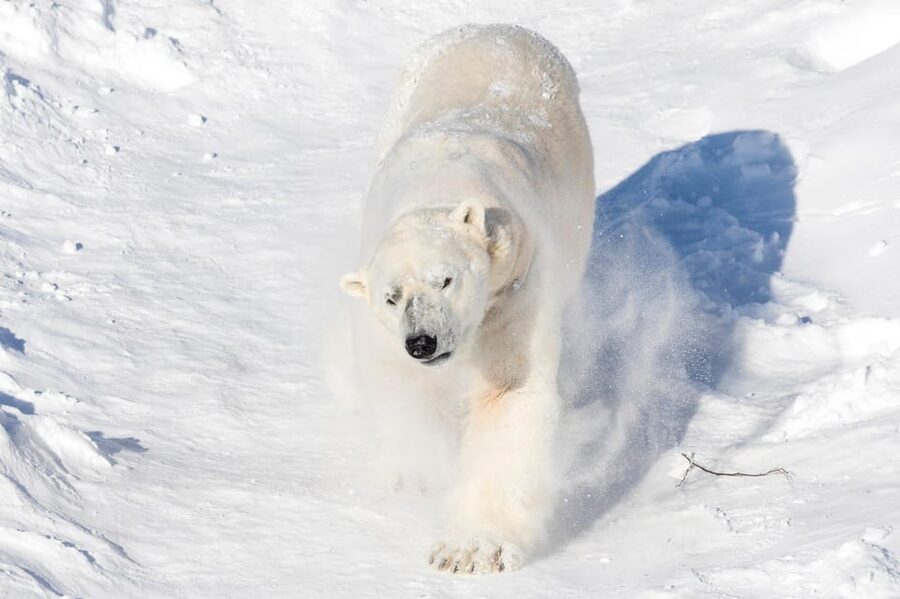
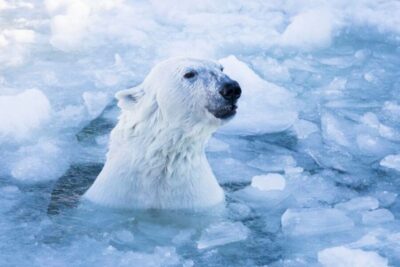
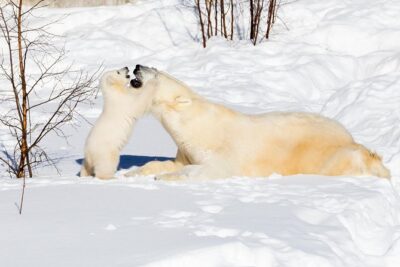
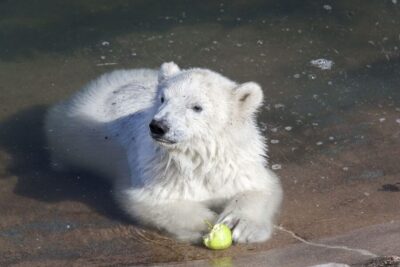
When a place markets Finland’s only polar bear, you expect a dramatic moment. Sometimes you get it. Sometimes you get a quiet view, and the bear chooses her own schedule.
A few key things will help you enjoy this part of Ranua. First, the polar bear is not always visible in the way people imagine. In winter, she may be inside, or she may be pacing within her enclosure. Second, the experience can be affected by viewing barriers, and you might find visibility changes depending on how the enclosure looks that day.
So here is the mindset shift I recommend. Do not treat the polar bear like a slot machine. Treat her like wildlife. Walk the route, come back to her viewing area a couple of times during your visit, and focus on observing behavior rather than only trying to capture the perfect photo.
If you are the type who gets disappointed when an animal is not doing tricks, you will still likely have a good day because the park gives you more to see. The polar bear is important, but she is only one part of a larger arctic ecosystem.
More Than One Animal: Lynx, Owls, and the Arctic Mix
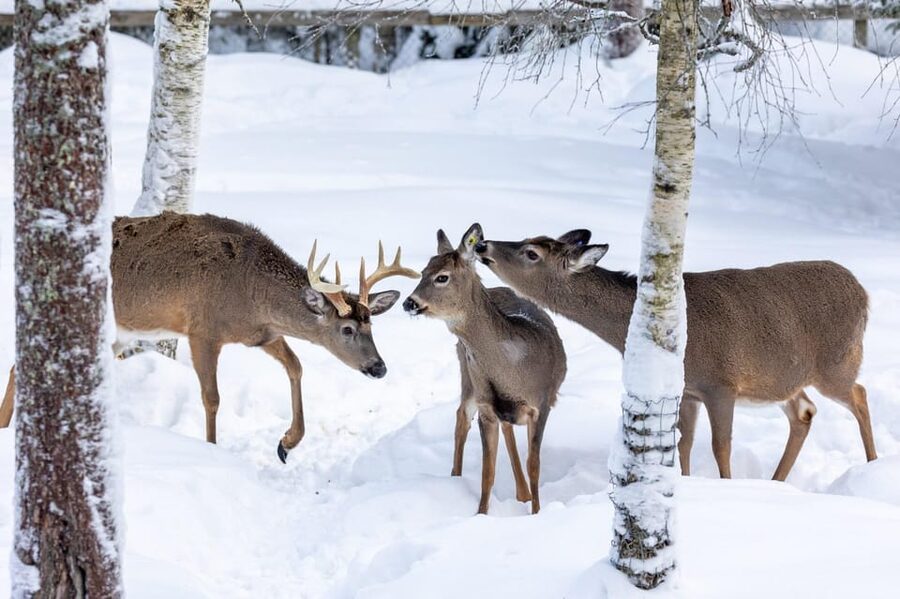
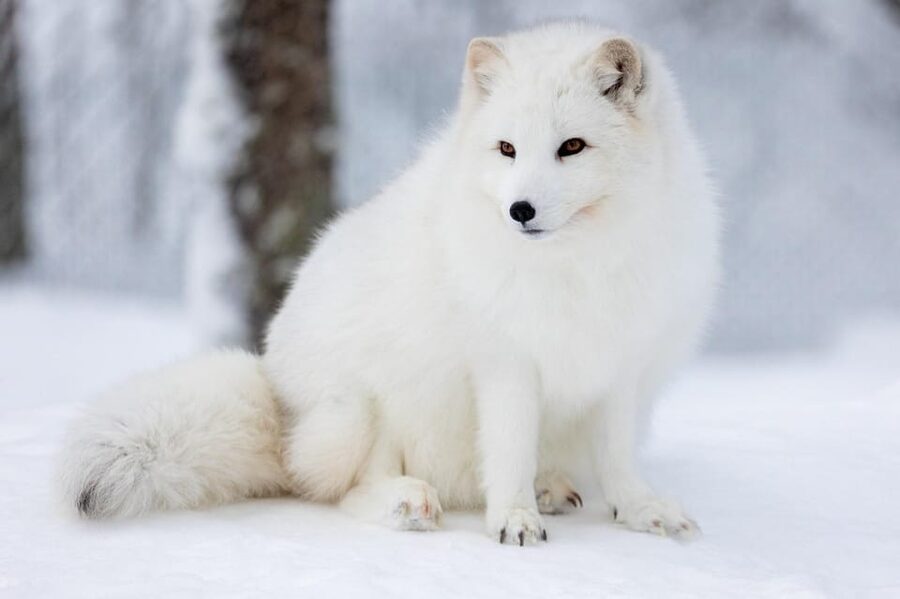
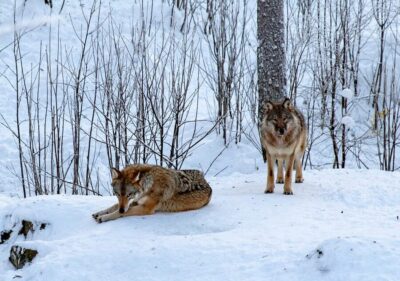
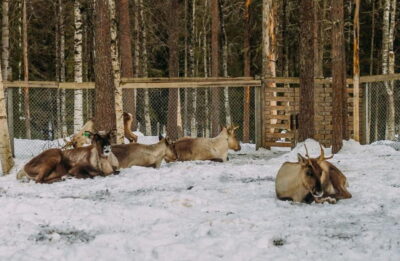
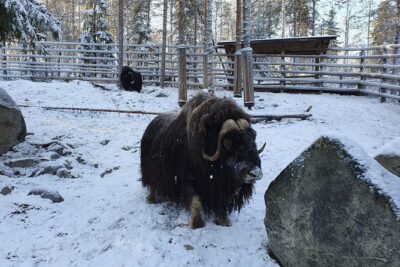
The park holds the polar bear plus 50 other arctic and northern animal species, with about 150 individual animals in total. That number matters because it changes what your day feels like. Instead of waiting for one moment, you keep meeting new species and new enclosure layouts as you go.
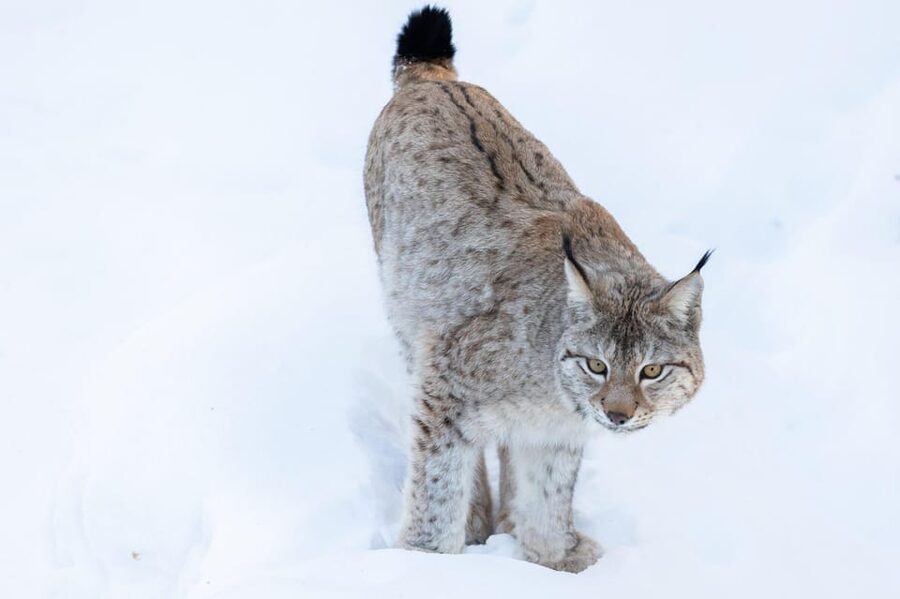
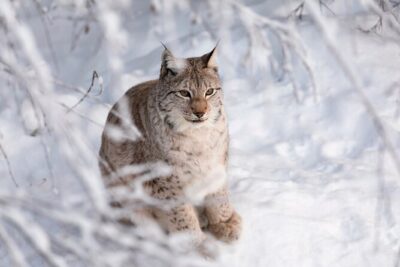
One standout for many visitors is the chance to see lynx activity in snow. Watching a lynx move through a winter setting can feel surreal because it looks like you are watching a wild animal, not a staged attraction. You will get more of those moments when you keep your pace slow and your eyes moving.
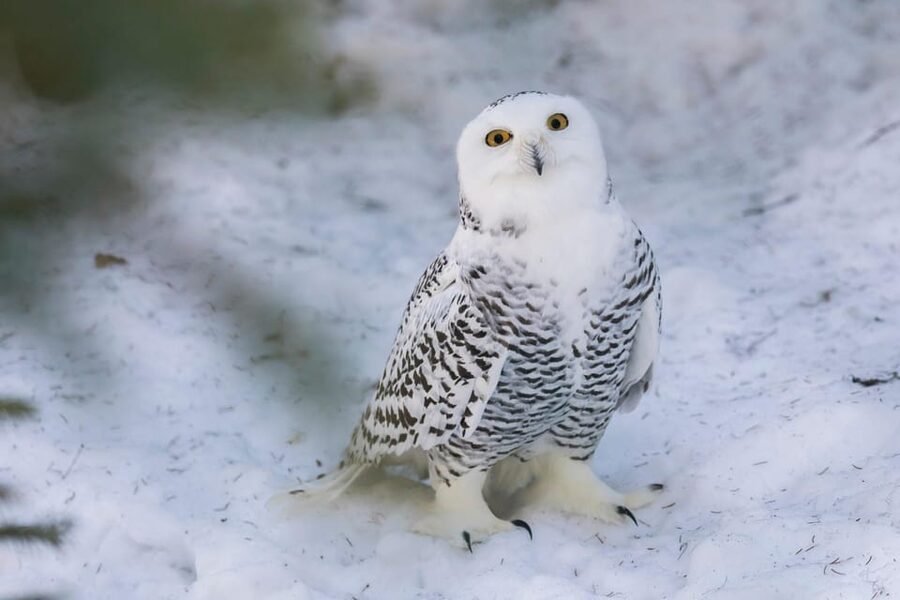
The owls section is another area where people tend to focus. Owls in cold climates can be hard to spot, and they often look still before they shift. If you are patient, it can reward you. If you are expecting constant movement and high visibility from every angle, you might feel a bit limited. Some people have noted that owl viewing may not feel as roomy as they expected. Pair it with Rovaniemi: the Explore Rovaniemi site.
That balance is worth knowing. Ranua is not a theme-park animal show. It is a wildlife park in Lapland with animals living in enclosures sized to fit their needs as naturally as possible. The tradeoff is that animal activity is never guaranteed on your schedule.
Seasons in Lapland: Winter Visits, Animal Behavior, and Photo Timing
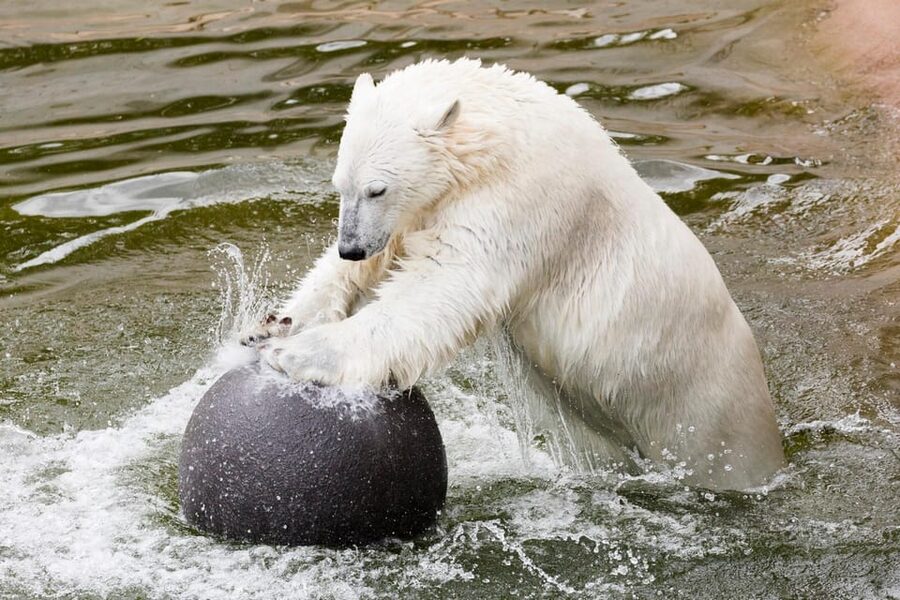
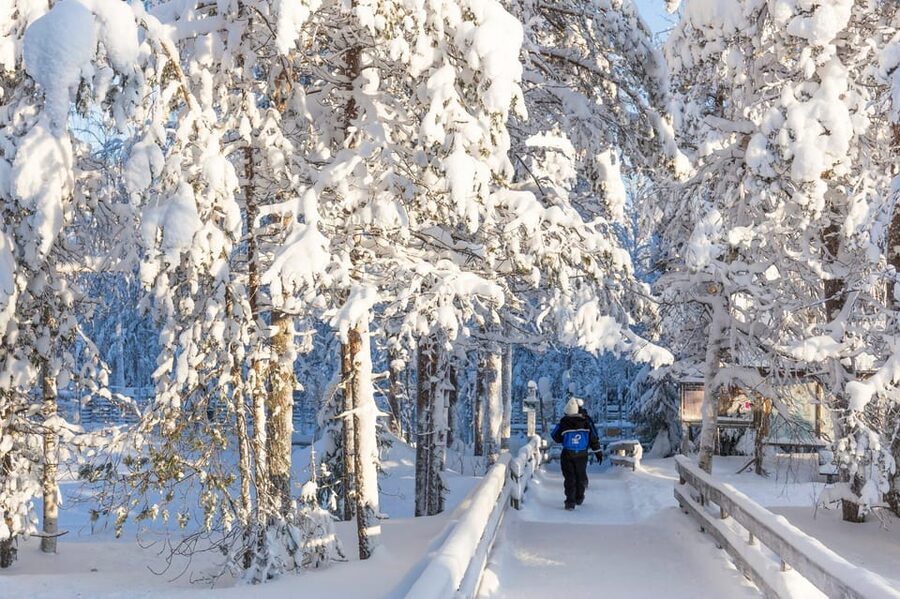
Ranua is open every day of the year, and Lapland seasons give the park two very different faces. In winter, you get snow, colder air, and a lot of animals resting. That means your day might be quieter, with more stillness and fewer bursts of motion.
In that kind of weather, you need to dress for long outdoor time. I recommend you treat this like a full-walk outing, not a quick stop. Warm layers, weather-appropriate outerwear, and gloves that let you keep your camera steady make a big difference. The park is a walking route through forest, so cold wind can feel sharper once you pause.
Also, winter changes your viewing rhythm. When temperatures are extreme, you may see animals sleeping or tucked away. If you accept that up front, the whole experience feels more peaceful. You are not angry at the animals for being arctic. You are simply watching when the park decides to show you something.
If you visit in a milder season, you might catch more consistent outdoor behavior. Even then, expect arctic species to act like arctic species, not like people. They follow instincts, not schedules.
How the Park Keeps It Calm: Rules That Actually Matter
Ranua’s rules are strict, and that is a good thing. They are there to protect animals, visitors, and the park environment. For your experience, the biggest impact is how calm everything feels.
No feeding animals, and no touching animals, is crucial. It prevents stress and helps keep animals behaving naturally. There is also a clear focus on quiet. You should not make noise, and there is no smoking indoors.
There are also practical no-go items that can surprise you if you pack casually. Pets are not allowed. Weapons or sharp objects are not allowed. Drones are not allowed. Bikes and a long list of scooters or skate gear are not allowed. Alcohol and drugs are also not allowed, and of course you should avoid littering.
What I like about this approach is that the park atmosphere stays focused. You are not dodging stroller chaos at every turn, and you are not hearing loud conversations in the middle of quiet forest lanes. If you want a wildlife day that feels respectful and calm, these rules help a lot.
What the Visit Feels Like From Start to Finish
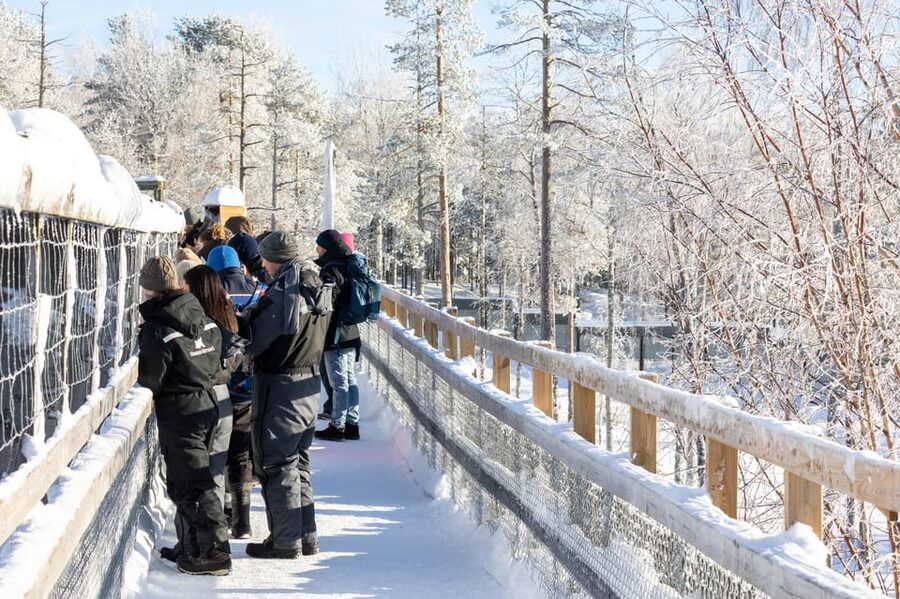
Your experience is essentially a self-paced route, but you still get a natural flow to the day. You arrive, collect your wristband, and get oriented. Then you follow the route through the conifer forest where animals are set up in larger enclosures designed for their environment.
As you walk, expect repeated moments of stopping. Some species are easier to spot than others. Others may be deeper in their space or moving at different times. In winter, you may also find that certain areas produce better results when you give them time, rather than rushing through to reach the next enclosure.
If you are hoping to see the polar bear, build in a couple of pauses at her area. Because she may be inside or not fully visible, patience pays off. In a quiet park setting, it is easier to notice what the bear is doing when she does appear.
By the time you reach the end of the route, you usually feel like you got a real outing, not just a quick walkthrough. The full route takes 1.5 to 2 hours, and that includes the time you spend lingering.
Lunch at Ranua Resort Buffet: A Solid Reset During Your Walk
You may want to add lunch because Lapland weather makes you feel hungry faster. The good news is that there is a buffet option at the Ranua Resort. People rate it highly, with comments about it being an excellent meal for the money.
The specific detail I like here is that it can work even if you are not a fish person. So if your group has mixed food preferences, lunch is not a stressful choice.
Since your route is a forest walk, plan lunch as a reset. Take it warm, take it slow, and then decide if you want to return to the park route before you finish your day.
Price and Value: Is $31 Worth It?
At around $31 per person, Ranua Wildlife Park is not a budget impulse buy, especially if you are traveling as a family. But value in Lapland often comes from how many hours you get, how many different animals you see, and how authentic the setting feels compared with a more artificial attraction.
You get a full-day ticket with a route that lasts 1.5 to 2 hours, plus the chance to see a wide arctic collection. With 50 other arctic and northern species and about 150 individual animals, the park is giving you depth, not a single spotlight.
You also get a quiet, calm experience. That might sound like a soft benefit, but it matters. Wildlife parks feel better when you can hear yourself think and watch without constant interruptions.
And there is a practical value angle too. This is an all-year activity, which means you can plan around weather rather than building an entire day around one outdoor event with strict conditions.
Who This Is Perfect For, and Who Should Rethink It
This is a strong match if you want a family-friendly Lapland activity that does not require special skills. Kids usually like seeing multiple animals, and the route is short enough to stay manageable even when you are bundled up.
It is also a good fit if you want arctic wildlife with a nature-first feel. The animals are in settings that aim to resemble their environment, and that makes the park more satisfying for people who prefer authenticity over spectacle.
However, it is not suitable for wheelchair users, because the park is not set up for that kind of access. Also, if you need constant action and you get frustrated when animals rest, you may find winter visits emotionally challenging, since many animals sleep and stay quiet.
Should You Book Ranua Wildlife Park Entrance Ticket?
If you want a calm, nature-focused arctic outing in Lapland, I think booking is a smart call. For most people, the combination of a 3 km walking route, a long list of species, and the chance to see Finland’s only polar bear makes it a worthwhile day.
Book it if you can handle winter reality. Dress warmly, walk at an easy pace, and plan to watch rather than chase. Skip or rethink it if you cannot manage the outdoor walking, or if you only enjoy animal attractions when everything is moving constantly.
One last tip: arrive ready to spend time. The park works best when you let it unfold, enclosure by enclosure, until the forest starts feeling like your whole day’s plan.
FAQ
How long is the Ranua Wildlife Park entrance visit?
The walking route is about 3 kilometers long, and it typically takes about 1.5 to 2 hours to walk through.
Is Ranua Wildlife Park open all year?
Yes. Ranua Wildlife Park is open every day of the year.
What animals will I see?
Ranua Wildlife Park is home to Finland’s only polar bear plus 50 other arctic and northern animal species, with about 150 individual animals.
How much does the ticket cost?
The price is listed as $31 per person.
Where do I meet for the activity?
You get your wristbands from ticket sales as you arrive.
How long is the ticket valid?
The ticket is valid for 1 day. You can check availability to see starting times.
Is the park wheelchair accessible?
No. It is not suitable for wheelchair users.
Can I bring pets?
No. Pets are not allowed.
Can I feed or touch the animals?
No. Feeding animals and touching animals are not allowed.
What should I bring to the park?
Bring weather-appropriate clothing, since the park visit is outdoors.
What is the cancellation policy?
Free cancellation is available, and you can cancel up to 24 hours in advance for a full refund.
Tickets for Ranua
Getting to Ranua
More Tour Reviews in Ranua
Latest from the Ranua notebook
- Ranua: Wildlife Park Experience with Buffet Lunch★ 4.5 · 6 reviews
- Ranua Wildlife zoo tour with lunch buffet included★ 5.0 · 9 reviews
- Ranua: Wildlife Park Entrance Ticket★ 4.5 · 323 reviews
The rest of Ranua Wildlife Park Trips.
 ★ 4.7Rovaniemi: Ranua’s Wildlife Park Ticket with TransportationFrom $116195 reviews
 ★ 4.1Ranua Wildlife Park Day: Visit the Arctic AnimalsFrom $154189 reviews
 ★ 4.5Rovaniemi: Ranua Zoo Entry Ticket w/ Walking Tour and LunchFrom $146143 reviews
 ★ 4.5From Rovaniemi: Tour to Ranua Wildlife ParkFrom $10691 reviews
 ★ 4.6Rovaniemi: Trip to Ranua Zoo with TicketsFrom $10287 reviews
 ★ 5.0Guided Ranua Wildlife Park tour with Lunch, Small group adventureFrom $17449 reviews
 ★ 4.5Ranua Zoo tour, optional lunchFrom $17337 reviews
 ★ 4.8Ranua Wildlife Park Guided Tour from RovaniemiFrom $16535 reviews
Where this one also turns up