
REVIEW · SAARISELKä, IVALO & INARI TOURS
Inari: Northern Lights Hunt Snowmobile Safari
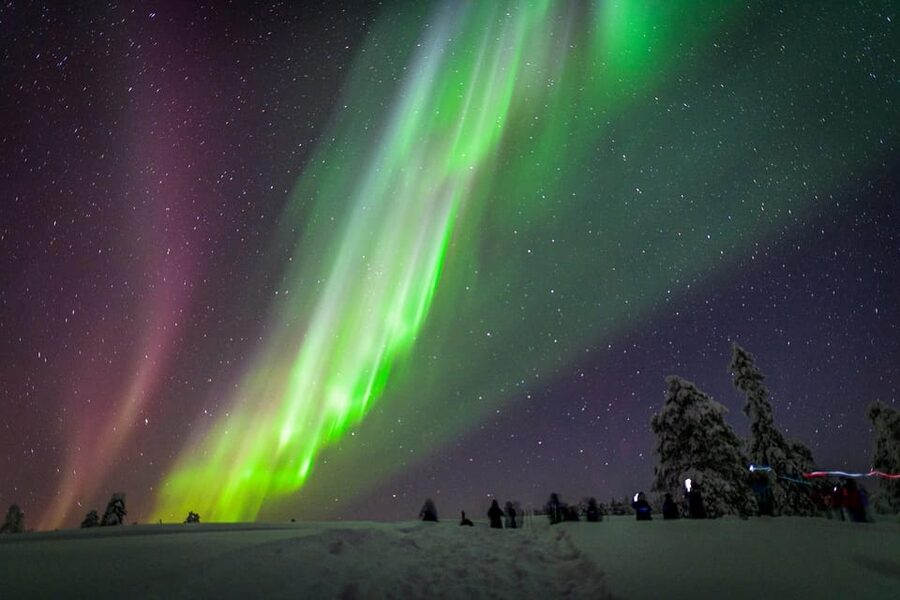
Driving a snowmobile in near-absolute darkness is a rare kind of thrill, and pairing it with an Aurora hunt makes it even better. I love the way this safari teaches you to ride on purpose-built tracks before you head into the silent Arctic, and I also like the warm BBQ and hot drinks in the middle of the forest when the cold gets serious. One consideration is that the Northern Lights are never guaranteed, even though the show is strong on clear evenings.
You spend five hours moving from hotel pickup to briefing, snowmobile riding, and then aurora spotting from a darker sky spot with a wide-open northern view. The tour also keeps the vibe simple and real: fire, stories, stars, and that quiet feeling you only get when you’re far from town lights.
In This Review
- Why This Feels Special in Inari (Even on a Cloudy Night)
- Key Points You’ll Care About
- Why Inari’s Dark Skies Matter for Aurora Hunting
- The Five-Hour Format That Keeps the Night Moving
- Getting Set Up: Transfers, Winter Gear, and a Real Briefing
- First Minutes on the Tracks: Learning Fast in the Cold Dark
- Into the Silent Wilderness: The Ride Between Forest and Open Fields
- The Tepee or Hut Stop: Fire, Stories, and BBQ Warmth
- Northern Lights Spotting: Chance, Timing, and What to Look For
- Taking Photos in Real Arctic Conditions (Not Idealized Ones)
- Cold, Safety, and the Kind of “Fun” That’s Real Work
- Who This Tour Suits Best in Lapland
- Price and Value: What $199 Buys You Here
- The Bottom Line: Should You Book This Inari Snowmobile Aurora Safari?
- FAQ
- How long is the Inari Northern Lights snowmobile safari?
- What time does the tour start?
- Do passengers need a driver’s license?
- Can I drive solo?
- What is included in the price?
- Are the Northern Lights guaranteed?
- What should I bring and what matters most for comfort?
- Is the tour allowed for everyone?
Why This Feels Special in Inari (Even on a Cloudy Night)
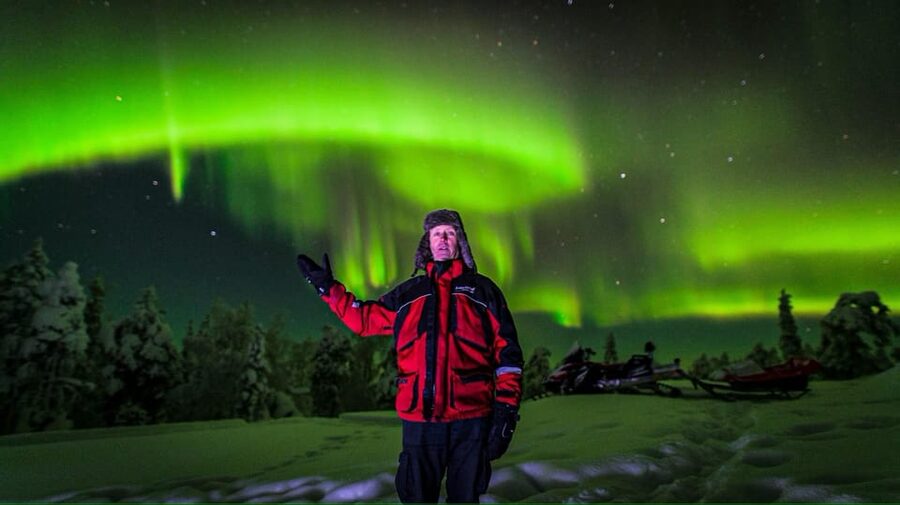
This isn’t just a ride and a quick look. The tour is built around getting you away from streetlight glow and into a place where the sky is wide and dark, which matters for both your eyes and your photos. On the practical side, you get winter gear and transfers, but you still need to respect the cold. At minus 15 to minus 20 C (as some guides and guests observed), layers and dry gloves are not optional.
Chasing the same sky? Compare these aurora nights
Key Points You’ll Care About
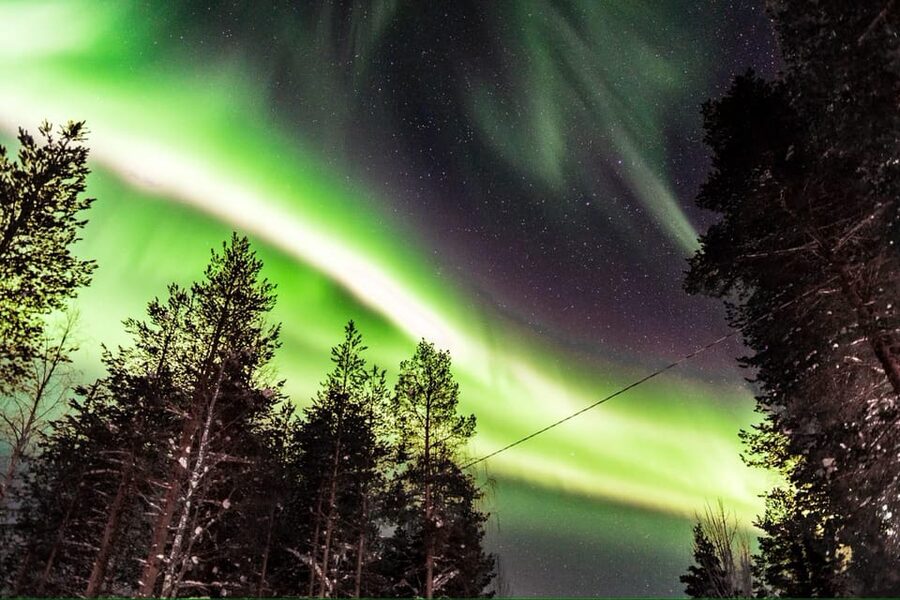
- Purpose tracks, dark driving, and real time to get comfortable before aurora hunting
- Tepee camp with fire, warm drinks, and BBQ-style snacks to reset your body
- English-speaking guides who focus on safety and helpful aurora spotting
- Multiple aurora chances during the evening, not just one stop and hope
- Gear and transfers included, so you’re not scrambling in Lapland winter
Why Inari’s Dark Skies Matter for Aurora Hunting
Aurora hunting is partly luck, but it is also partly geography. Inari, in Finnish Lapland, sits in a region where you can get real darkness, and that is the main advantage for this kind of night tour. If the sky is filled with even a little light from settlements or roads, faint aurora can turn into a washed-out smear. Here, the goal is to put you under a sky that looks like ink.
A big part of the experience is also the feeling of absolute darkness and silence. When you’re driving through snowfields and forest corridors away from traffic noise, your brain stops expecting movement. Then, when the sky starts to shift, it feels like the world got quiet to let you see something rare.
The Five-Hour Format That Keeps the Night Moving
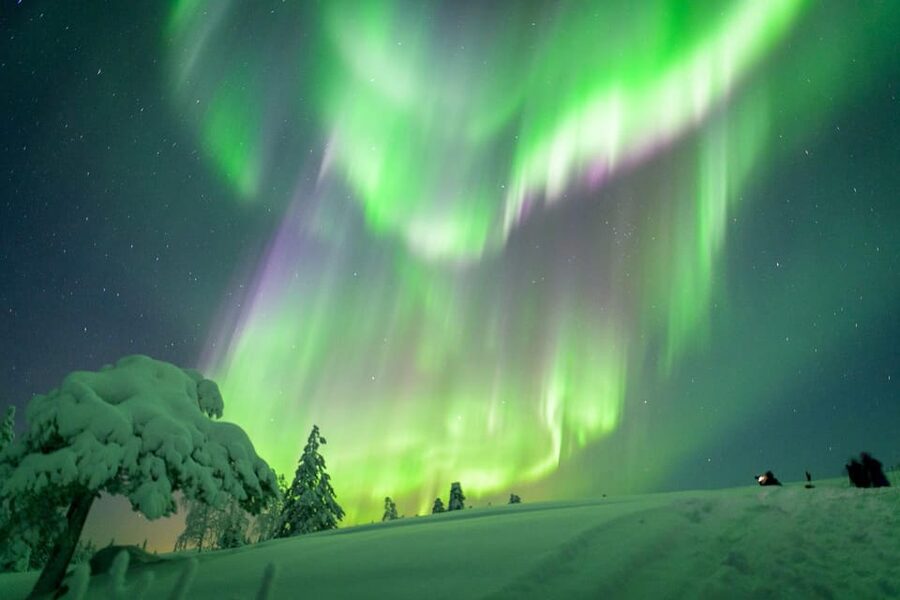
The safari runs about five hours, which is long enough to matter, but not so long you’re frozen in place the whole time. You typically start in the evening, with pickups beginning about an hour before departure from your hotel. In winter months (November through March), the tour starts at 8 PM. In April, expect 9 PM, or sometimes even later, depending on your confirmed schedule.
That timing is practical for two reasons. First, the Arctic night gives you stable darkness for spotting. Second, guides aim to be out during the hours when aurora activity often looks best. The tour may start at 8 or 9 or 10 PM, but the important thing is that you’re active and moving toward the best sky windows.
Getting Set Up: Transfers, Winter Gear, and a Real Briefing
Before you touch the snowmobile, you’ll get a briefing and you’ll meet your guide. English is the working language, and the guide’s job is to get you safe and confident fast.
Included gear covers the heavy basics: winter clothes, boots, and all the equipment you need. You still should bring your own comfort basics because they help even when the provided gear is good. The tour info specifically calls out bringing comfortable shoes, a hat, gloves, water, and a waterproof camera.
One detail I really like in how this tour is structured is that it doesn’t assume you already know everything. You learn to drive on special tracks first. That matters because a snowmobile is not like an ordinary car. You’re dealing with friction, snow texture, and balance changes in a way that feels new until you get a few turns under your belt.
More throttle, more trail. Other snowmobile safaris
- Saariselkä: Snowmobile Ride with Hot Drinks
★ 4.8 · 196 reviews - Saariselka: Snowmobile Safari on Tundra with BBQ
★ 4.8 · 151 reviews - Saariselkä: Evening Snowmobile Tour with Fire & picnic
★ 4.4 · 127 reviews - Snowmobile Safari on the Tundra
★ 4.5 · 35 reviews - Saariselkä: Full Day Adventure with Snowmobiles
★ 5.0 · 34 reviews
First Minutes on the Tracks: Learning Fast in the Cold Dark
The first stage of the ride focuses on control. You’ll drive on tracks designed for learning, so you can get your bearings without fighting deep snow or confusing terrain.
From the tone of the guide experiences, the best outcomes happen when you listen, stay calm, and take your time during the early laps. One guest advice in plain terms: if you’re used to driving cars or scooters, you’ll likely pick it up quickly once you’ve had a test lap or two. If you’re not comfortable with motor control, that first phase can feel tricky, so I’d treat the briefing like the main event, not a warm-up.
If you want to drive alone, solo driving is available for an additional price. Otherwise, you ride in a standard setup where you can focus on learning safely while the guide manages the route.
Into the Silent Wilderness: The Ride Between Forest and Open Fields
After the learning tracks, the safari pushes into the dark wilderness. This is where the tour earns its reputation. You move through snowy forests and open areas in near silence, and because the skies are darker away from town lights, you can sometimes start scanning for aurora even before you reach the camp.
Guides also aim for routes that support the aurora search. The tour is designed around visibility, meaning the northern view is kept as open as possible during spotting time.
Expect the ride to feel slow in the best way. Snowmobile speed here is less about racing and more about motion through a frozen world that looks still until it suddenly isn’t.
The Tepee or Hut Stop: Fire, Stories, and BBQ Warmth
The tour’s middle stop is a tepee or hut camp where the warmth resets you. This is not just a photo break. You’ll make a fire and spend time around it with warm beverages and BBQ-style snacks.
This part matters more than most people expect. When you’re out in cold air, your hands and feet are often the limiting factor, even if you’re “layered up.” Sitting by a fire for a real warm-up helps you keep your body working, and it also makes the aurora hunt feel like a shared experience instead of a miserable waiting game.
Some guests highlight roasting sausages in the camp setting, plus conversation about local life and nature while the fire burns. Guides like Sam, Marco, David, Markus, Arvid, Marko, Mikka, and Jay appear in reviews, and the common theme is the same: clear instructions, careful attention, and a focus on making the time outside enjoyable, not just survivable.
Northern Lights Spotting: Chance, Timing, and What to Look For
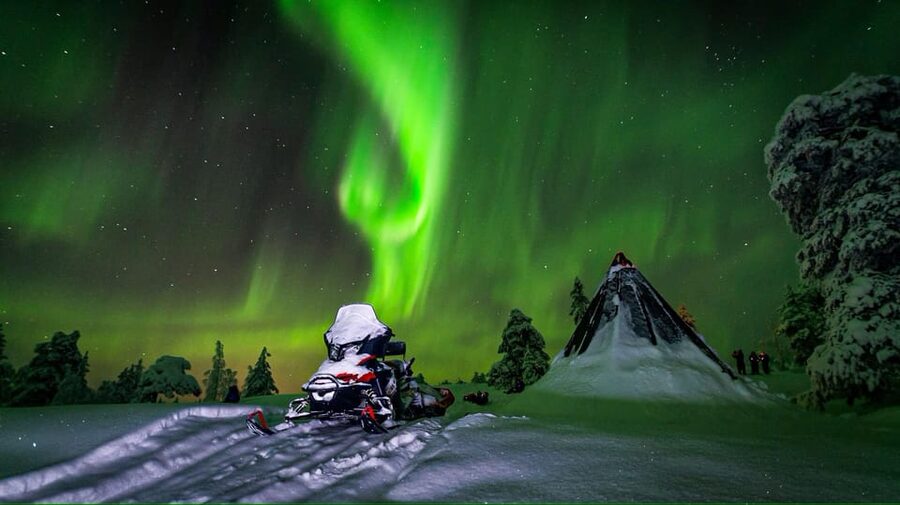
Now the sky part. The tour info is honest: the aurora appearance is not guaranteed. But on clear sky evenings, lights are visible in about 90 percent of cases. That’s a strong odds statement, and it also explains why the tour is built around multiple potential aurora moments and best-sky selection.
A guide’s job here is twofold: find darkness and manage expectations. Even during the ride, you may get aurora sightings, and on the way back you could have extra stops for better viewing or photography.
There’s also real star guidance mixed into the experience. You’ll learn how to spot points like the Big Bear (Ursa Major) and the Polar Star (Polaris), and how aurora often appears just under the Polar Star. If you’re the type who likes understanding what you’re seeing rather than just watching it happen, this is one of the more satisfying parts of the night.
One more practical note: the tour aims to be out at hours when aurora is often most active, and some guides emphasize the late-evening window around 11 to 12 PM. Your departure may be 8, 9, or 10 PM depending on the season, but you’re typically in position as the night deepens.
Taking Photos in Real Arctic Conditions (Not Idealized Ones)
The tour includes a photo-friendly setup in the way it schedules aurora pauses. But you still need to treat your gear like it’s outside for hours because it is.
The tour specifically advises bringing a waterproof camera. I’d also add one common-sense idea: keep batteries warm when you can, because cold drains power faster. If you’re using a phone, consider bringing a way to protect it from snow and wind. You don’t need to go full astrophotographer, but you do want your camera ready when the sky finally delivers.
Because the sky can change quickly, the best photos often come during brief peaks. That’s why additional photo stops can matter, and why the return drive sometimes stretches a bit longer when the aurora is active.
Cold, Safety, and the Kind of “Fun” That’s Real Work
Snowmobile aurora tours are fun, but they are also physically demanding in a way that surprises first-timers. The tour itself labels the activity as high risk, and it says it is not recommended for elderly people or small children. It also lists it as not suitable for wheelchair users and people over 95 years.
That’s not just legal caution. The cold can be brutal, even with layers. One guest checked temperatures around minus 20. Another mentioned warmth care and heaters like hand and feet warmers during the ride. The key is that the provided winter clothes and boots help, but you still need to follow the guide’s clothing guidance and keep gloves and hat on even when you feel tempted to take them off.
Also, rules matter in the vehicle and camp setting. Pets are not allowed. Smoking is not allowed. Alcohol and drugs are not allowed, and alcoholic drinks are not allowed in the vehicle. You want your attention on the snowmobile and the sky, not on anything that clouds judgment.
Who This Tour Suits Best in Lapland
This is ideal for you if you want two things in one night: real driving time and real aurora time. You’ll enjoy it most if you are comfortable with cold and you’re open to learning something new, even if you haven’t driven a snowmobile before.
It also fits well if your trip plan is tight. Five hours is enough to get out of town lights and give aurora spotting a serious shot, without eating your entire day.
Where I’d steer you away is if you want the simplest, least physical option. If cold or driving risk feels like a concern, the tour data itself suggests an alternative: an auroras northern lights car trip is recommended for those who are elderly or for small children.
Price and Value: What $199 Buys You Here
At about $199 per person, the biggest value isn’t the snowmobile alone. It is the full package of what typically costs time and stress on your own: hotel transfers, winter clothes and boots, a guide, and warm beverages and snacks during the safari.
If you try to DIY this in Lapland winter, you quickly hit friction points: getting the gear sorted, organizing transportation in the dark, and finding the right aurora spots. This tour handles the planning part for you. You still pay for the experience, but you also buy back mental energy.
Two other value notes:
- The tour includes equipment and winter clothing, which can be expensive if you have to rent or buy them last minute.
- Your guide manages safety and teaches you on tracks, which reduces the learning curve.
The one cost add-on to watch is solo driving, which is available for an additional price.
The Bottom Line: Should You Book This Inari Snowmobile Aurora Safari?
Book this tour if you want an Arctic night that mixes motion and wonder. The driving element is not window dressing, and the firelit camp break is more than a snack stop. You get transfers, gear, and an organized aurora hunt with serious emphasis on darkness and sky viewing.
Skip it or choose a gentler option if you have limits around cold exposure or driving risk. The tour is not recommended for small children or elderly travelers, and it is not suitable for wheelchair users or people over 95 years.
And go in with the right mindset on the lights: you’re buying a strong chance, not a guarantee. On clear evenings, the odds are good, and the guides set you up for success. If you do feel the cold and follow instructions, you’ll come away with one of those Lapland stories that sounds unreal until you remember how dark the sky was when it finally answered back.
—
FAQ
How long is the Inari Northern Lights snowmobile safari?
The tour lasts about five hours.
What time does the tour start?
In November through March it starts at 8 PM. In April it starts at 9 PM or even 10 PM, and your pickup starts about one hour earlier from your hotel.
Do passengers need a driver’s license?
No. Passenger do not need a driver’s license, but anyone operating the snowmobile must have a valid driver’s license.
Can I drive solo?
Yes, solo driving is available for an additional price.
What is included in the price?
It includes hotel transfers, all equipment and winter clothes, boots, warm beverages and snacks, the snowmobile ride, briefing, and an English-speaking guide.
Are the Northern Lights guaranteed?
No. Aurora is not guaranteed, but they are visible in about 90 percent of clear sky evenings.
What should I bring and what matters most for comfort?
Bring a hat and gloves, comfortable shoes, water, and a waterproof camera. The tour also provides winter clothes and boots.
Is the tour allowed for everyone?
No. It is not suitable for wheelchair users, and it is not recommended for elderly people or small children. Pets are not allowed, smoking is not allowed, and alcohol and drugs are not allowed.
Snowmobiles, More Trails
More Aurora Nights on Our List
More Tour Reviews in Saariselka
Latest from the Saariselka notebook
- Saariselkä: Ice Fishing Adventure★ 4.5 · 4 reviews
- From Kakslauttanen: Ice Fishing Safari to Lake Inari, inc. lunch★ 4.0 · 5 reviews
- Aurora Photo Experience by Car from Saariselkä★ 5.0 · 5 reviews
- Winter afternoon group Ride in Saariselkä★ 5.0 · 6 reviews
- From Saariselkä: Ice Fishing Tour to Lake Inari, reindeers &lunch★ 4.5 · 8 reviews
- Sámi Village Inari and Siida Museum by Car★ 4.5 · 8 reviews
The rest of Saariselkä, Ivalo & Inari Tours.
 ★ 4.8Saariselkä: 10KM Husky Safari with kennel visitFrom $234313 reviews
 ★ 4.8Saariselkä: Snowmobile Ride with Hot DrinksFrom $152196 reviews
 ★ 4.0Auroras Northern Lights in SaariselkaFrom $175176 reviews
 ★ 4.8Saariselka: Snowmobile Safari on Tundra with BBQFrom $175151 reviews
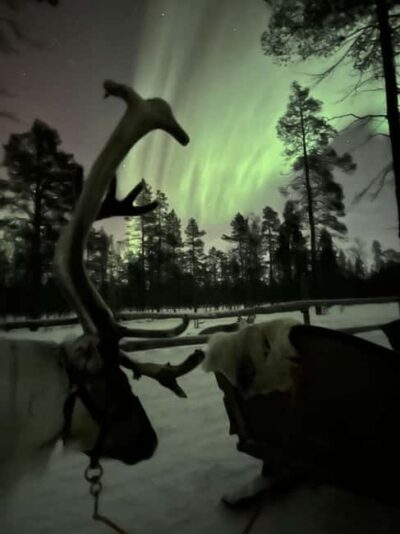 ★ 4.6Saariselkä: Northern Lights & Reindeer Sledding TourFrom $222140 reviews
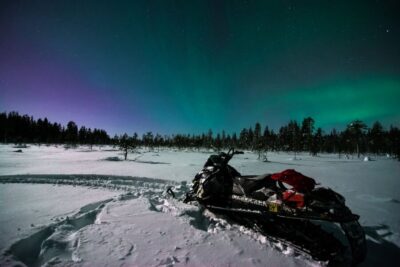 ★ 4.4Saariselkä: Evening Snowmobile Tour with Fire & picnicFrom $183127 reviews
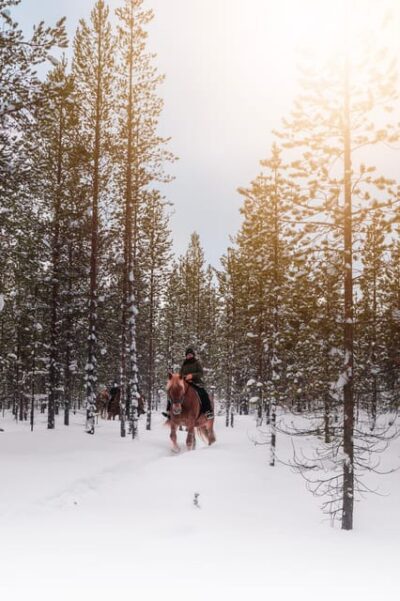 ★ 4.9Saariselkä: Arctic Trail Horse Riding TourFrom $170105 reviews
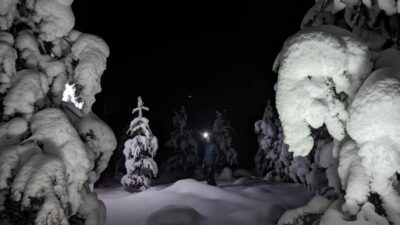 ★ 4.8Saariselkä: Snowshoeing Tour in Urho Kekkonen National ParkFrom $8891 reviews
Where this one also turns up