
REVIEW · KEMI & SEA LAPLAND TOURS
Icetrek to Old Kemi
Out on the ice, Finland feels close. This 2.5-hour icetrek takes you from the SnowCastle area across the Ostrobothnian Sea to Laitakari Island, where you walk over frozen water and then explore old sawmill and village ruins. I especially love the combo of practical ice-walking coaching and the story of how Kemi began in this place before the city existed. One thing to weigh, though, is warmth, because you bring your own warm clothing and the tour does not include thermal outdoor clothing rental.
You will start with gear and a focused safety briefing, then you move at an easy pace over flat ice and snow. The guide, Marko, brings a light, upbeat tone while covering how to travel safely on ice and how the wood industry shaped life here. If you are looking for a purely sit-down history lecture, this is not that, because a big part of the experience is your boots on the ice for 2 to 3 km total.
What makes this outing feel different is that the island visit is not just scenery. Laitakari was inhabited before Kemi city existed, and after the mill success there, the Russian Emperor Alexander II chose to build Kemi city, which turns your walk into a living timeline. The route can also change with weather, so be ready for some flexibility in how long you’re out and where you go.
In This Review
- Key points before you go
- From SnowCastle of Kemi to your ice start, in 15 minutes
- Crossing the Ostrobothnian Sea to Laitakari, 0.8 km on sea ice
- What Marko teaches about ice walking, and why it helps
- Old Kemi on Laitakari Island, sawmill ruins and the village remains
- The wood industry scheme, translating work into something you can picture
- Timing and effort, what 2.5 hours feels like in real life
- What to bring, and what to rent if you’re unsure
- Price and value: $57 for ice skills plus island history
- Who this tour suits best in Lapland
- A few practical tips to make your trek smoother
- Should you book Icetrek to Old Kemi?
Key points before you go
- Ostrobothnian Sea crossing to Laitakari, about 0.8 km over sea ice
- Ice safety coaching plus walking tips for snowy conditions
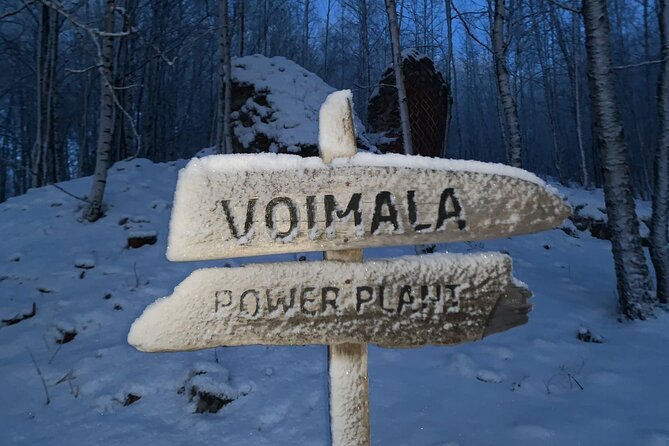
- Old Kemi monuments you visit on the island, including sawmill and village ruins
- A clear explanation of the wood industry, with a simple scheme you can follow
- Marko’s storytelling style, mixing history with Finnish culture and humor
Down on the Bothnian coast, Sea Lapland has its own list
From SnowCastle of Kemi to your ice start, in 15 minutes
The tour meets at the SnowCastle of Kemi, at the Experience365 reception hall. The first stage is all about getting you set up correctly, because the whole day depends on you having the basics right.
You should plan on a short, serious safety briefing at the start, roughly 15 minutes. It is not fear-mongering. It’s the practical stuff: how to move while you’re on snow and ice, what to do with your weight, and how to keep your footing as the surface changes. This matters because even when the terrain is flat, sea ice can feel different underfoot than you expect.
Then you head to the point where you begin the trek. If you’re the type who likes a checklist, this is the moment to mentally prepare. You are about to trade sidewalks for a frozen shoreline, so you’ll want to slow down your pace and trust the guide’s rhythm.
Crossing the Ostrobothnian Sea to Laitakari, 0.8 km on sea ice
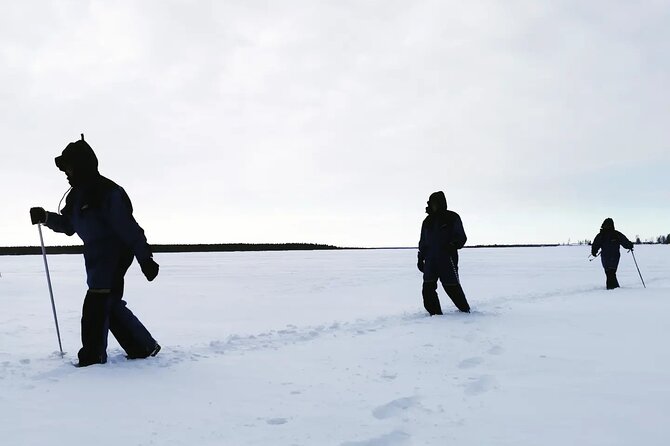
The main wow moment comes early. You cross the Ostrobothnian Sea ice for about 0.8 km to reach Old Kemi’s origin on Laitakari Island. Walking over sea ice is a weird, wonderful feeling. You can see that you’re on water, even though it looks solid.
The group walk is designed to be manageable. The route includes a total of about 2 to 3 km of walking on sea ice and flat terrain across the full experience. That means you are not doing a long hike, but you are doing enough time outside that you should dress for wind and cold from the first minute, not after you warm up.
The guide’s role here is to keep things smooth. You follow instructions for safer movement and learn how to adjust your steps when snowy patches or uneven ice surface changes how your boots grip. This is the part where rental icetrekking poles help a lot. They’re included, so you won’t have to shop for gear before you arrive.
What Marko teaches about ice walking, and why it helps
A lot of winter activities show you the view. This one also teaches you how not to turn the view into a mistake.
Marko’s focus is on basics you can actually use: how to move safely on ice and snowy conditions while you stay in a group. One review specifically highlighted his joy and passion, plus the way he made people laugh while teaching. That combination matters. If a safety briefing feels stiff, most people mentally tune out. If it feels human, you absorb it.
You’ll also see that the walking technique is simple, not technical. Think of it as learning how to keep balance and reduce slip risk. The poles give you extra points of contact, and the guide’s instructions help you keep your stride steady. That’s especially useful if you’re new to winter trekking or your shoes are not built for icy surfaces.
If you’re traveling with kids over age 5, this kind of clear coaching is often the difference between an outing that feels fun and one that feels stressful. For smaller kids, it is simply not suitable, because the tour is not for children under 5.
Old Kemi on Laitakari Island, sawmill ruins and the village remains
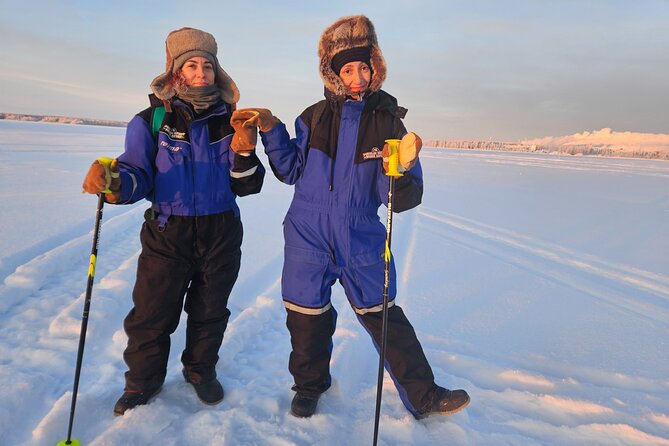
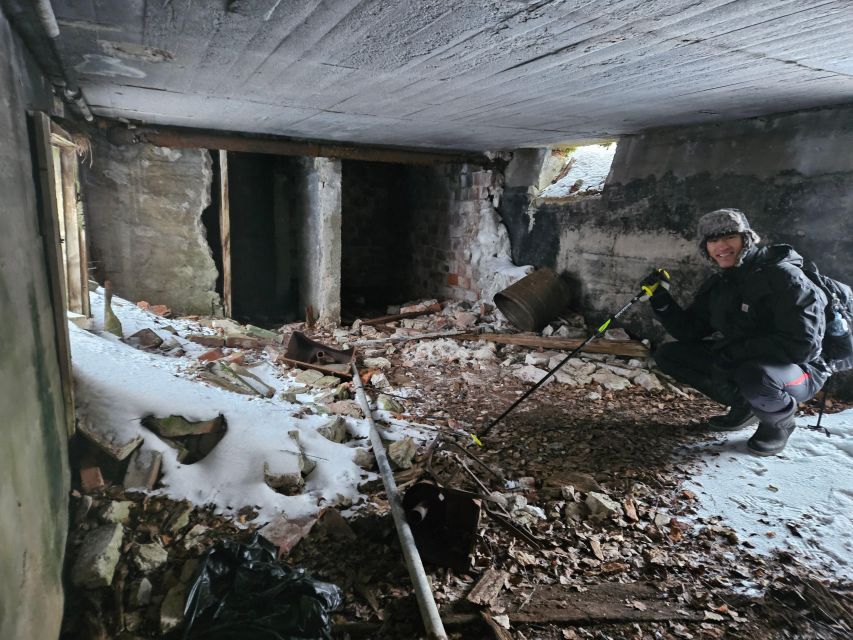
Once you reach Laitakari, the tone shifts from walking skills to local story. You visit the Old Kemi historical industrial monuments of the now-deserted sawmill and the village ruins.
This is where the tour earns its name. You are not just seeing an old structure and moving on. The guide shows you Kemi’s real origin through what’s still visible on the island, and it makes the history feel grounded.
There is a strong sense of time here. Laitakari was established and inhabited before Kemi city was born. Later, after the Laitakari mill success, the Russian Emperor Alexander II decided to build Kemi city. In other words, the city you might visit later started as a downstream effect of this earlier industrial hub.
Walking among the remnants can be surprisingly moving. It helps that the island is not dressed up for tourism. You’re seeing an abandoned industrial landscape and ruins that explain why this place mattered, then you connect those facts to what Kemi became.
- Kemi-Tornio: Ice Fishing Safari with Snowmobiles
★ 5.0 · 9 reviews - Kemi-Tornio: Nature tour with snowshoes
★ 4.2 · 4 reviews - Kemi-Tornio: Snowmobile Forest Safari w/ Hot Drink & Snacks
★ 5.0 · 3 reviews
The wood industry scheme, translating work into something you can picture
Before you finish, you get the practical “how it worked” part of the story. The experience includes a scheme of the wood industry, plus the guide’s explanation of how the process shaped the region.
I like this approach because it turns history into understanding. It is easy to hear that Finland had timber and industry, but it is harder to grasp how a specific town grew because of a sawmill and the operations around it. A simple scheme helps you connect the dots without forcing you to guess.
You also get to hear the story through Finnish culture, not just facts. One review mentioned that Marko wanted to pass on both Laitakari history and Finnish culture. That can add warmth to the experience, because you learn how locals frame their past, not just dates on a page.
If you’re the type who enjoys hands-on learning, this is one of the best segments. It makes the island visit make sense instead of feeling like a walk through old stones.
Timing and effort, what 2.5 hours feels like in real life
The listed duration is about 2.5 hours. In practice, you spend time at the start with equipment and the safety briefing, then you trek out and back.
The walking load is described as roughly 2 to 3 km total on sea ice and flat terrain. That’s not far like a city walking day, but it is far enough that you should avoid layering mistakes. If your clothing is too thin, the cold catches up fast. If you overdress with no way to vent, you may get sweaty and then chill later when you stop.
The flat terrain helps, but “flat” on sea ice still has micro-changes. You will be concentrating on your footing, and that concentration can be tiring in a good way. It’s part of why the outing feels like more than sightseeing.
Weather can change routes and duration. That is normal for ice travel. I treat that as a feature, not a bug. The provider is adjusting to keep conditions safe.
What to bring, and what to rent if you’re unsure
Your baseline instruction is simple: bring warm clothing. This is a winter ice activity, so don’t plan on feeling warm because you’re indoors beforehand.
Thermal outdoor clothing can be rented, but it is not included. That means you should check what you already have and decide early. If you own good cold-weather gear, you may not need to rent much. If you don’t, renting can be the difference between a trip that’s “great” and a trip you can only half enjoy.
Also, come with a mindset that you’ll be outside, standing and walking, for the full time. You’re not hopping in and out of heated spots. The ice trek experience depends on cold weather being cold.
Price and value: $57 for ice skills plus island history
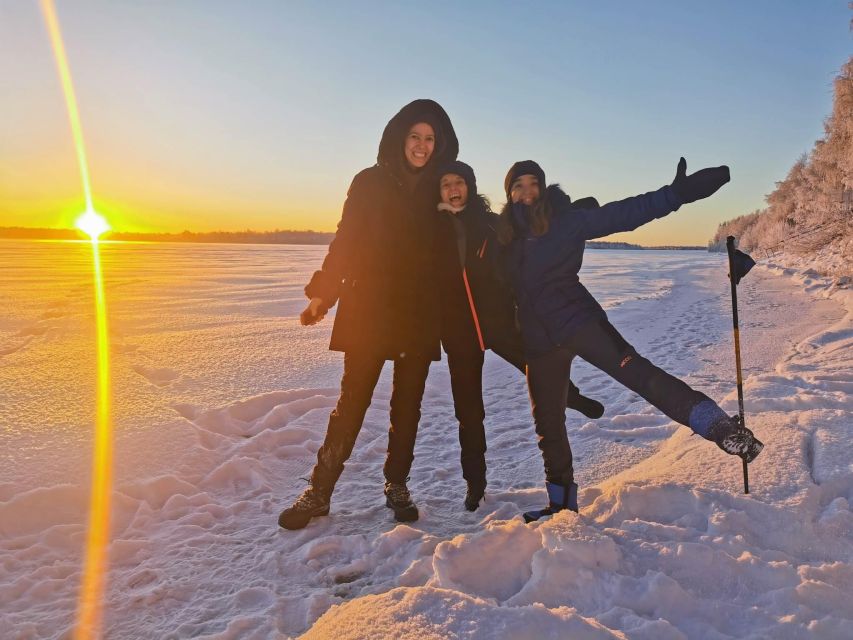
At about $57 per person, this is not a free activity, but it also isn’t a premium day-long expedition. The value comes from two things you don’t always get together: guided ice safety instruction and a real stop at Laitakari’s old sawmill and village ruins.
You’re paying for more than a walk. Rental icetrekking poles are included, and the guide provides the coaching plus the historical interpretation, including a scheme explaining the wood industry. English is available, and your guide is actively teaching, not just pointing.
In terms of time, 2.5 hours is a sweet spot. You get the key moments without losing your whole day to travel time or slow pacing. If you’re doing multiple Kemi area activities, this is a manageable block that still feels like an event.
Who this tour suits best in Lapland
This experience is best for you if you want an outdoor activity that has a real local storyline attached. You’ll likely enjoy it most if you like:
- walking with a purpose, learning a skill while you explore
- history that is tied to a physical place, not just a museum label
- a guide who mixes storytelling with practical teaching
It is not suitable for everyone. It is not for children under 5, pregnant women, people with mobility impairments, wheelchair users, people over 80, or anyone over 331 lbs (150 kg). If any of those apply, choose another Kemi experience that matches your needs.
If you’re comfortable outdoors in winter and you can handle guided walking on ice, you’re in the right zone.
A few practical tips to make your trek smoother
I’ve found that the easiest way to enjoy winter ice activities is to reduce decision-making while you’re outside.
- Dress for cold first. Warming up comes later, not earlier.
- Listen early during the briefing. The guide’s advice is designed to prevent problems before they start.
- Keep your pace steady. This trek is built for safe group movement over flat terrain, not speed.
- Use the poles as instructed. They’re there to help your balance on ice and snow.
- Bring patience for changing conditions. Weather can alter routing and duration, and the provider is adjusting for safe travel.
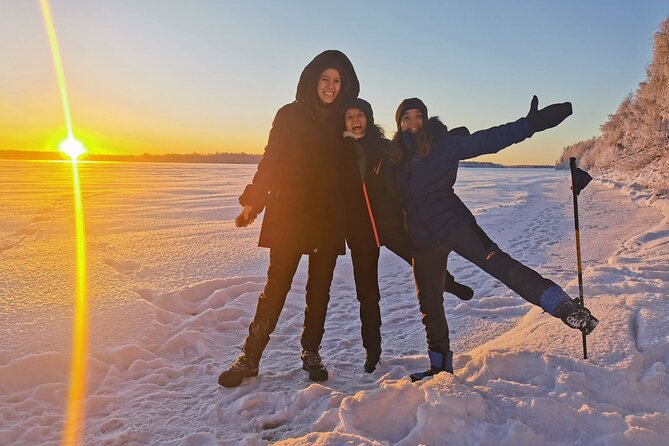
Also, if you care about photos, you might appreciate the guide’s upbeat style and willingness to help people capture the moment. The experience includes a lot of striking winter light, especially around sunset.
Should you book Icetrek to Old Kemi?
Book it if you want a short, high-impact winter experience that teaches you something useful and also connects to how Kemi started. The pairing of ice safety basics, a guided crossing, and the Laitakari island visit gives you both action and meaning without dragging for hours.
Skip it if you’re not comfortable walking on sea ice, if you need mobility accommodations that the tour cannot provide, or if you don’t want to manage warmth yourself, since thermal outerwear rental is not included.
If your goal is to feel what Lapland is like beyond the usual photo stop, this one makes that happen. You end with safer instincts for winter movement and a clearer story of why Kemi exists where it does.
Sea Lapland: Kemi and Tornio
More Tour Reviews in Kemi
Latest from the Kemi notebook
- Kemi-Tornio: Snowmobile Forest Safari w/ Hot Drink & Snacks★ 5.0 · 3 reviews
- Kemi-Tornio: Nature tour with snowshoes★ 4.2 · 4 reviews
- Kemi-Tornio: Night Safari on Snowmobiles★ 4.5 · 9 reviews
- Kemi-Tornio: Ice Fishing Safari with Snowmobiles★ 5.0 · 9 reviews
- Kemi-Tornio: Husky Sled Ride with Hot Drink★ 4.8 · 17 reviews
- Kemi-Tornio: Starguaranteed Northern Lights Auroras★ 4.0 · 48 reviews
The rest of Kemi & Sea Lapland Tours.
 ★ 5.0Kemi: Finnish Sight-Skiing Experience in LaplandFrom $8150 reviews
 ★ 4.0Kemi-Tornio: Starguaranteed Northern Lights AurorasFrom $11248 reviews
 ★ 4.5Northern Lights Auroras from Kemi-Tornio with PickupFrom $11844 reviews
 ★ 4.8Kemi-Tornio: Husky Sled Ride with Hot DrinkFrom $22917 reviews
 ★ 5.0Ski or Snowshoe rental in Sea LaplandFrom $3510 reviews
 ★ 5.0Kemi-Tornio: Ice Fishing Safari with SnowmobilesFrom $1829 reviews
 ★ 4.5Kemi-Tornio: Night Safari on SnowmobilesFrom $1769 reviews
 ★ 5.0Icetrek to Old KemiFrom $587 reviews
Where this one also turns up