
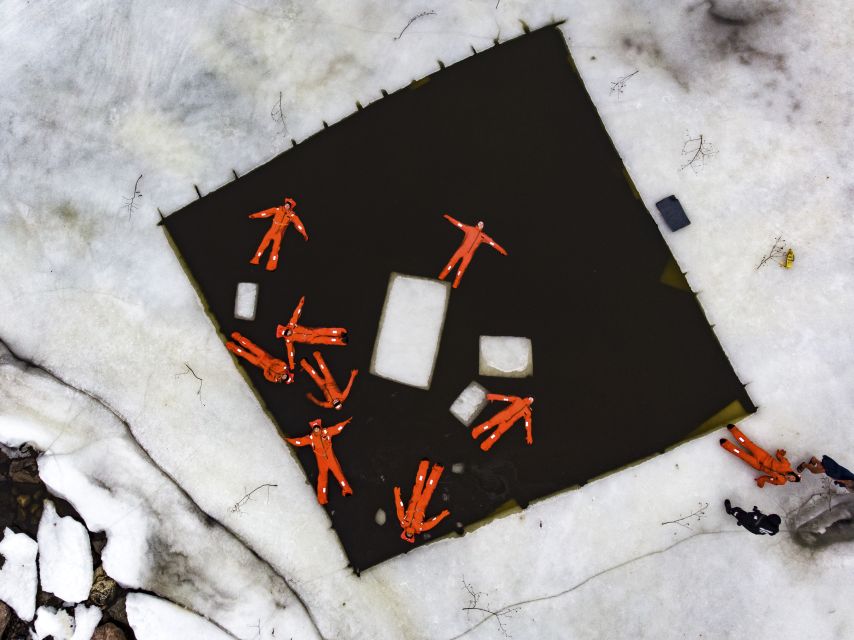
REVIEW · HELSINKI CITY TOURS
Helsinki: Floating Experience in a Survival Suit
Cold water. Warm suit. Big calm energy.
This Helsinki experience turns winter swimming anxiety into something practical and surprisingly relaxing, because you float in the Baltic Sea in a neoprene survival suit while an instructor teaches real sea rescue and cold-water survival. I like that it’s not just a stunt, it’s structured learning with moments to reset your brain in the silence and weightlessness. The suits really do keep you warm and dry enough to focus on the lesson, not the panic.
My favorite part is how guides like Olli and Leif manage the pace, explain what to do, and build confidence even if you are nervous or not a strong swimmer. Another big win is that you get both education and fun, from hypothermia basics to survival drills and the kind of icy scenery you only get in Finland. One consideration is that the suit can feel a bit tight around the face, and if your neck tires from looking up or maneuvering, plan to keep movements simple.
In This Review
- Key things to know before you float in Helsinki
- Floating in Helsinki’s Baltic Sea, with a survival suit
- Where you meet and what changes with wind or ice
- 1.5 hours of guided calm, from suit-up to float time
- Sea rescue lessons you can actually use
- Hypothermia basics and why winter bathing has a method
- Open water days versus ice days in Helsinki
- How the suit feels, plus small comfort trade-offs
- What to bring to stay comfortable in winter street clothes
- Photos and the moment you want to remember
- Price, value, and who gets the most out of $159
- Who this Helsinki floating survival suit experience suits
- Quick practical tips to make your float smoother
- Should you book this Helsinki floating experience?
- FAQ
- Is swimming experience required for the Helsinki floating experience?
- What is included in the price?
- How long is the activity, and when does it run?
- What should I wear to the tour?
- Does the tour run in bad weather?
- Will I get help if I feel nervous about the cold?
- What is the cancellation policy?
- Can I book and pay later?
Key things to know before you float in Helsinki
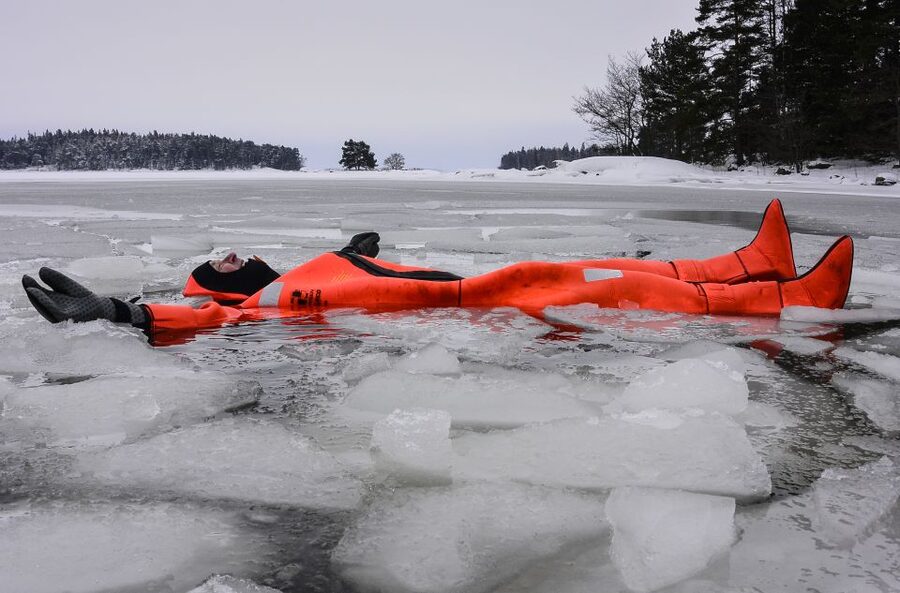
- You float in a neoprene survival suit in natural conditions, staying warm and dry while you learn.
- Sea rescue and self-rescue skills are taught by qualified instructors, with practical cold-water guidance.
- Hypothermia and winter-bathing benefits are part of the lesson, explained in a way you can act on.
- It adapts to conditions: open water sessions focus on rescue at sea, ice sessions focus on ice behavior and effects.
- No swimming experience needed, and the activity runs rain or shine.
- You get help fast: guides like Olli, Oli, Leif, and Patrik lead you step by step and often take photos.
Back in the capital, these Helsinki walks earned their stars
Floating in Helsinki’s Baltic Sea, with a survival suit
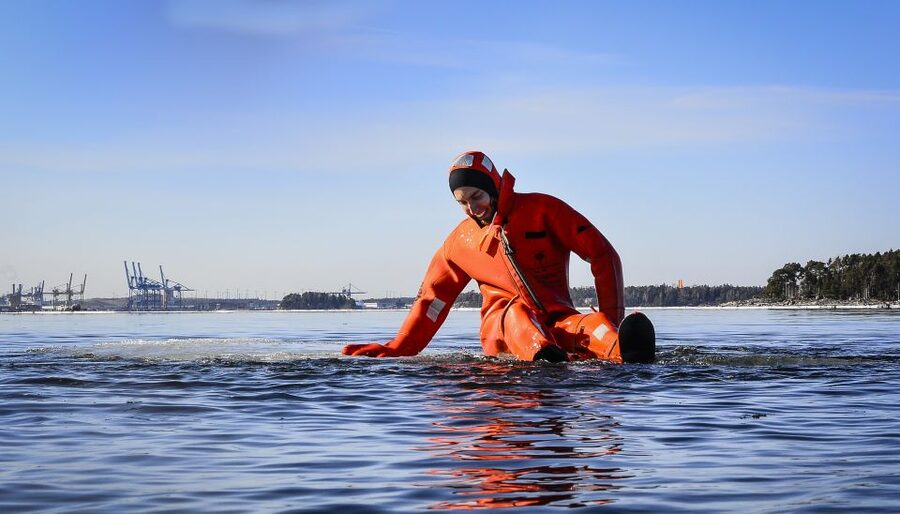
Helsinki does winter differently. Instead of treating cold like an enemy, people learn how to meet it safely. This is exactly why the Helsinki Floating Experience works so well as a trip highlight: you get the real cold-water context of the Baltic Sea, but you experience it inside a survival suit and with instruction built around safety.
The overall vibe is a mix of calm and focused. You will learn what happens to the body in cold water, what rescue looks like, and how you respond if things go wrong. Then you get the payoff: closing your eyes, breathing, and floating long enough that your brain stops racing.
Price wise, $159 per person is not “impulse bargain” money. You are paying for a specialty setup (the suit), qualified instruction, and guided time in a real outdoor environment where safety decisions matter. For the right traveler, it feels like good value because you are not paying to watch someone else do something extreme. You are learning how to do it, safely.
Where you meet and what changes with wind or ice
You’ll meet at a location in Uusimaa, in the Helsinki area. Plan to arrive 15 minutes early, because you’ll need that buffer to get suited up and settle before you head out.
The operator may change the location if wind or ice conditions make a different spot safer or more practical. That is not a red flag. In open water, wind affects how you move and where you float. On ice, conditions decide what is stable and what is not. The whole activity is designed to run in natural conditions, so a smart location change is part of the plan.
If you’re the type who hates last-minute uncertainty, you might find this slightly annoying. If you prefer a real-world outdoor experience, you’ll probably appreciate that the guide team is making safety decisions based on the day.
1.5 hours of guided calm, from suit-up to float time
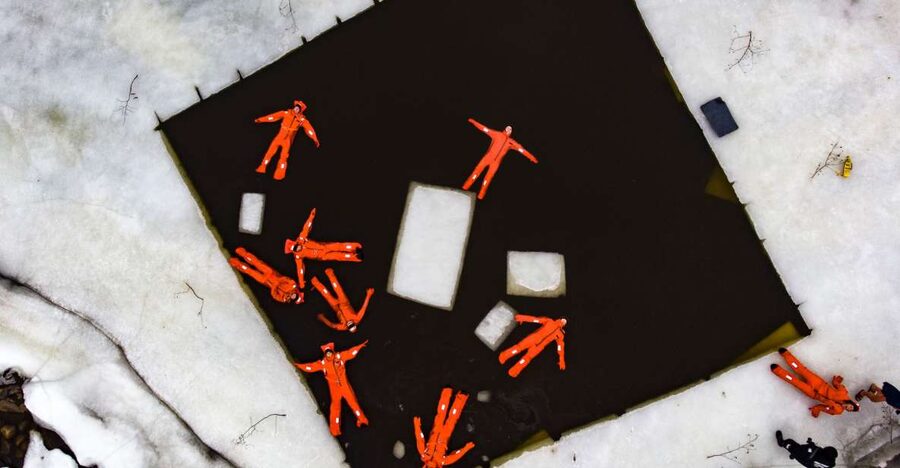
This is a 1.5-hour activity, and the flow is simple. You arrive, you get instruction, you slip into the survival suit, then you spend time in the water with coaching and small survival challenges depending on whether you are on open water or ice.
Here’s what your experience typically includes:
First, an instructor briefs you on what to expect. You’ll cover core ideas like cold-water safety and basic response steps, plus what you should do during the float. If you are nervous, this part matters. Multiple reviews mention guides speaking clear English and walking people through the steps slowly, including non swimmers.
Next comes the suit. The suit is neoprene, and the design is the reason you stay warm and dry enough to focus. Reviews consistently say the suits do the job. Even after stepping into frigid conditions, people describe feeling comfortable in the suit and able to relax.
Then you float. The “wow” factor is the weightless feeling and the calm. More than one person notes that they stayed in the water for a meaningful stretch of time, without rushing. That matters, because floating is not only physical. It is also mental, and you need a few minutes to settle.
Finally, there are survival skills and learning moments. In open water, the focus is rescue at sea, relaxation, and survival techniques. On ice, the focus shifts to ice behavior and its effects, plus relaxation. In some sessions, people report playful survival challenges like controlled jumps into ice or breaking ice, but those are clearly dependent on conditions.
Sea rescue lessons you can actually use
A lot of cold-water tours feel like a gimmick. This one is different because you get instruction tied to real scenarios: what to do if you or someone else ends up in cold water, how rescue works, and how you keep your head when adrenaline kicks in.
The instructor teaches sea rescue and survival techniques in a practical way, which is why reviews repeatedly highlight how patient and encouraging the guides are. Guides you might meet include Olli, Oli, Leif, and Patrik. People often mention that these instructors gave a lot of useful information, including self-rescue and how to handle cold-water emergencies.
You also learn about hypothermia. That might sound clinical, but in context it becomes personal. Cold water is not just about feeling chilly. It affects how your body behaves, which is why the lesson focuses on actions you can take early, before symptoms become dangerous.
If you are the type who likes hands-on learning, this is where it clicks. You are not just hearing facts. You practice the body motions and decision-making basics while you are in the suit.
Cold water, dry suit. Other float and dip experiences
- Helsinki: Floating Experience in a Survival Suit
★ 4.9 · 117 reviews - Redrib survival suit experience
★ 5.0 · 44 reviews
Hypothermia basics and why winter bathing has a method
The activity covers hypothermia and explains the benefits of starting winter bathing. That does not mean this is a casual wellness class. It means you get the why behind safe exposure.
Hypothermia education is useful for two reasons. First, it helps you understand why time in cold water matters. Second, it helps you respect what cold can do even when you feel okay at first.
In the suit, you learn to manage your breathing and attention. People mention closing their eyes, breathing slowly, and losing themselves in the quiet. That sounds poetic, but it’s practical. Controlled breathing helps you avoid panicked hyperventilation, which is the kind of small mistake that can snowball in cold water.
A bonus: learning hypothermia in the environment where it happens makes it stick. You remember the lesson because your body is part of it.
Open water days versus ice days in Helsinki
This activity adapts to what the sea is doing that day. In open water season, the focus is rescue at sea, relaxation, and survival techniques. In ice conditions, the focus becomes ice behavior, its effects, and relaxation.
That means you should not expect one fixed script year-round. Your experience will be shaped by the water and ice you encounter. If you visit in winter, there is a good chance you will see ice features, and you may walk on frozen areas of the sea before entering. Some people describe walking on the frozen Baltic Sea, then floating or swimming in the water.
In ice sessions, people also describe playful challenges, like jumping into ice or breaking a bigger ice piece. The safe way to think about it is this: your guide will offer options based on conditions, and they will coach you on what to do and how to do it safely.
Why this flexibility is valuable for you: you get a genuinely Finnish winter experience, and you are not stuck with the same activity regardless of weather. It’s also why the operator warns about potential location changes due to wind or ice.
How the suit feels, plus small comfort trade-offs
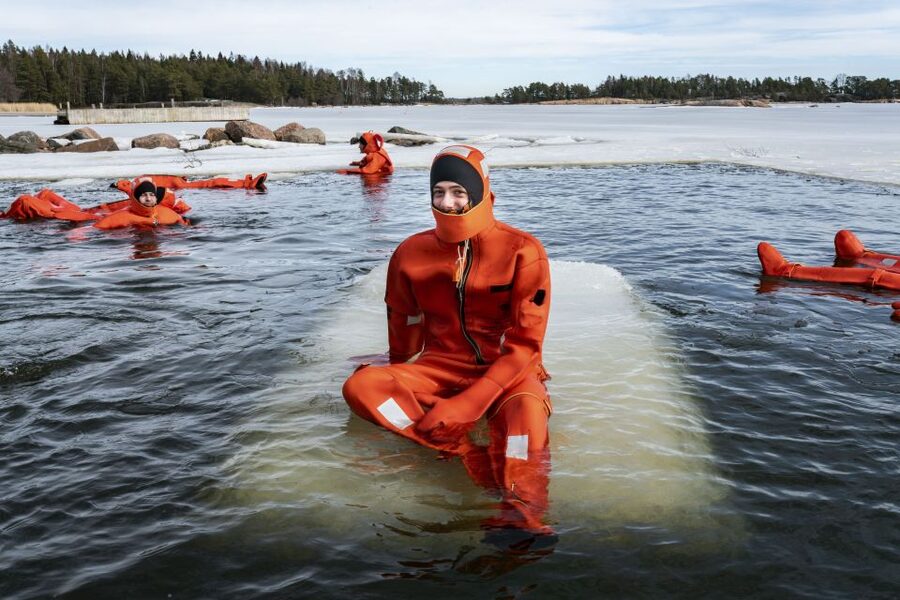
The suit is the heart of the experience. You’ll likely notice two things:
1) Neoprene warmth that helps you feel protected.
2) A fit that can feel a little tight around the face.
Some reviews say the floating itself is very relaxing, and they mention staying in longer than they expected without getting cold. Others add that the suit may not be the most comfortable around the face, and one person describes neck strain when they have to sit up or look around to navigate or paddle away.
So here’s the practical advice I’d give you: keep your movements efficient. Don’t fight the suit. Follow your instructor’s cues, and when you need to maneuver, do it with calm, short adjustments. If you have a stiff neck or you hate awkward posture, this is one area to be mentally prepared for.
Also wear what you can move in comfortably. The tour asks for comfortable clothing, and it specifically recommends wearing a wool pullover and wool socks if you have them.
What to bring to stay comfortable in winter street clothes
You do not need special gear. Come in normal winter street wear. If you have them, pack wool layers because they work well in cold.
Aim for clothes that you can get on and off easily at the meeting point. You may also appreciate an extra layer option if the day is windy.
What to bring (simple version):
- Comfortable winter clothes
- Wool pullover and wool socks if you have them (recommended)
What you should not bring:
- Alcohol and drugs are not allowed
And one more thing that matters: you do not need swimming ability or experience. That removes a big stressor for many first-timers.
Photos and the moment you want to remember
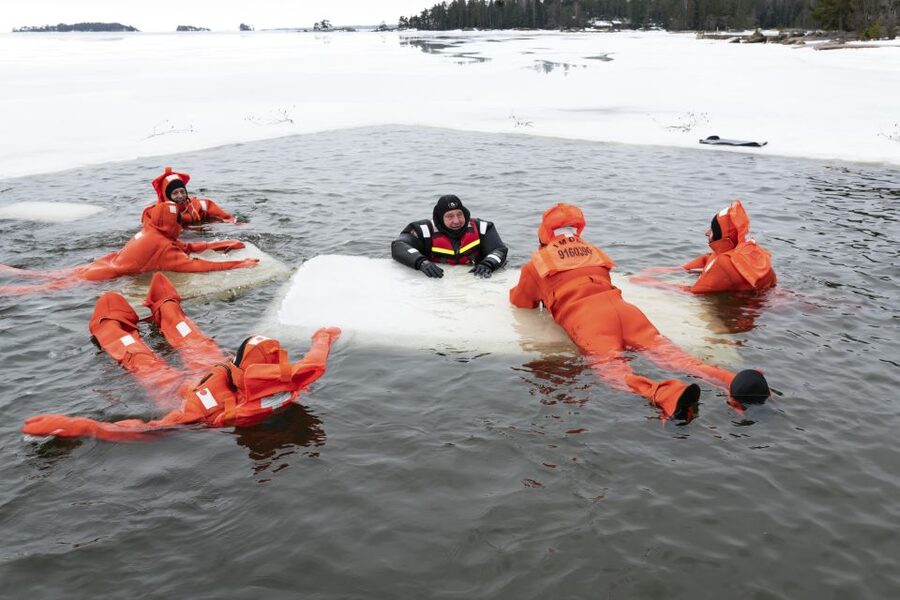
One of the nice perks is that many guides take photos and videos during the activity and share them after you finish. Reviews mention guides sending images right after the session, which is ideal because once you’re out of the water, your hands are cold and your brain is done with phone logistics.
If you are doing this as a once-in-a-lifetime Helsinki activity, this matters. Floating in a survival suit is not something you will forget, but photos help you share the story without trying to describe what it felt like in the moment.
Price, value, and who gets the most out of $159
At $159 per person for 1.5 hours, you are paying for a safety-forward, specialty outdoor experience. You get a survival suit and an instructor, and you spend real time in natural cold-water conditions. That is not the same thing as a casual tour where the main value is scenery.
Here’s how I’d judge the value for you:
You’ll feel it’s worth it if:
- You want winter bathing or cold-water experience without taking the risk of DIY
- You like learning practical safety skills, not just posing in cold water
- You plan to be in Helsinki and you want something memorable without traveling far north
- You are curious about hypothermia and rescue basics
It might feel less worth it if:
- You only want passive sightseeing and hate structured instruction
- You are looking for a warm spa-like experience, because this is about controlled cold exposure
- You expect a long swim session, because the focus is teaching and safe floating, not marathon water time
The reviews are high, with a 4.9 rating from 117 reviews, and the consistency is about two things: instructors who are patient and clear, and the way the suits keep people comfortable enough to relax.
Who this Helsinki floating survival suit experience suits
This is a good fit for a wide range of travelers, but it does have boundaries.
It is ideal for:
- First-time cold-water explorers who feel nervous but want clear guidance
- Non swimmers, because swimming ability is not required
- People who want something unusual in Helsinki, like learning sea rescue basics in a real setting
It is not suitable for:
- People with mobility impairments
- People under 5 ft 1 in (155 cm)
If you’re traveling solo, this is also a strong choice. A few reviews mention solo travelers who were on the fence and then loved how safe and well organized the experience felt.
If you’re with friends or family, it can also be a great group activity, including mixed ages and backgrounds. One review mentions a group of 13 having a great time, which suggests it works well for groups as long as everyone can handle the physical requirements of the activity.
Quick practical tips to make your float smoother
These are small things, but they help:
- Keep your clothes warm and simple. You’ll be in winter street wear, and wool helps.
- Follow your instructor’s cues for breathing and movement. That’s part of staying calm.
- If you worry about feeling cold, remember the suit is the main protection, and guides coach you through the experience.
- If you are worried about neck strain, avoid unnecessary looking around and keep adjustments small.
- Bring a mindset shift. This isn’t about being tough. It’s about safe, coached exposure.
Should you book this Helsinki floating experience?
I think you should book if you want a Helsinki highlight that is equal parts fun and useful. The mix of warm neoprene suits, hands-on cold-water safety teaching, and calm floating in the Baltic Sea makes it a rare combo. If you are curious about hypothermia, winter bathing, and basic rescue steps, you will leave feeling more prepared and weirdly more relaxed than you expected.
I would skip it if you have mobility limits that make water entry or time in a suit difficult, or if you are shorter than 155 cm. And if your idea of a winter activity is strictly warm and cozy, you might find the cold-water context too intense, even with the suit.
If you match the basics and you’re open to learning while you float, this is one of those trips where you get a real story, not just a photo.
FAQ
Is swimming experience required for the Helsinki floating experience?
No swimming ability or experience is needed.
What is included in the price?
The survival suit and an instructor are included.
How long is the activity, and when does it run?
The duration is 1.5 hours, and starting times depend on availability.
What should I wear to the tour?
Wear comfortable winter clothes. Wool pullover and wool socks are recommended, and you can come in normal winter street wear.
Does the tour run in bad weather?
Yes. There are no weather restrictions, and the tour operates rain and shine.
Will I get help if I feel nervous about the cold?
Yes. The activity is guided by an English-speaking instructor, and participants do not need swimming experience.
What is the cancellation policy?
You can cancel up to 24 hours in advance for a full refund.
Can I book and pay later?
Yes, you can reserve now and pay later.
Floating and Swimming in Ice
Still in Helsinki? Keep Walking
More Tour Reviews in Helsinki
Latest from the Helsinki notebook
- Winter kayaking in Eastern Helsinki archipelago★ 5.0 · 3 reviews
- Private Porvoo Tour & Visit Runeberg’s National Poet House★ 5.0 · 3 reviews
- The Instagrammable Places of Helsinki with a Local★ 5.0 · 3 reviews
- Redrib sunset lounge experience★ 5.0 · 3 reviews
- Turku tour from Helsinki★ 3.5 · 3 reviews
- Helsinki City 3-Hour Kayak Trip★ 5.0 · 3 reviews
The rest of Helsinki City Tours.
 ★ 4.5Helsinki: Sightseeing Canal Cruise with Audio CommentaryFrom $331,299 reviews
 ★ 5.0A Finntastic Walking Tour in HelsinkiFrom $24700 reviews
 ★ 4.8From Helsinki: Nuuksio National Park Half-Day TripFrom $66688 reviews
 ★ 4.2Helsinki: Hop-On Hop-Off City Bus TourFrom $42585 reviews
 ★ 4.3Helsinki: Bus Tour with Audio GuideFrom $41544 reviews
 ★ 4.3Helsinki: Evening Archipelago CruiseFrom $30468 reviews
 ★ 4.4Helsinki Archipelago: Sightseeing Boat TourFrom $33436 reviews
 ★ 4.3Helsinki: Temppeliaukio Church Entrance TicketFrom $9421 reviews
Where this one also turns up