
REVIEW · SNOWSHOEING TRIPS
Explore Winter Woods: Snowshoe walk with local Biologist
Snowshoeing with science brains is oddly calming. Terhi and Arto bring you into life in the Arctic, then into the woods where tracks and winter birds get real fast. The small group size makes it feel personal, not rushed, and Terhi’s Arctic nature focus turns a walk into a lesson you will actually remember.
I especially love the chance to slow down and learn what matters in winter, from plants and vegetation to animal signs you would otherwise miss. And I like that the walk is built around what you can spot right in front of you, not just big promises.
One thing to consider: this experience depends on good weather, so if conditions are poor, your timing may shift or the tour may be canceled. Also, you are walking for about 2.5 hours in snowy terrain, so you should be ready for steady cold-weather movement.
In This Review
- Key highlights worth your attention
- Winter woods with Terhi: why this snowshoe walk feels different in Inari
- Where you start: Terstontie 123, and what happens before you hit the snow
- Into ancient Lapland woods: lakes, mystic mires, and the slow search for signs
- What you might see: Siberian Jay, Siberian Tit, and the odds game for elk and hare
- The open-fire kota break: hot drinks, snacks, and bird watching
- Price and group size: is this $114.02 per person good value?
- Logistics that matter on the day: time, weather, and how to prepare
- Who should book this snowshoe walk, and who might skip it
- FAQ
- FAQ
- Where is the meeting point for Winter Woods?
- What time does the snowshoe walk start?
- How long is the experience?
- Is the tour offered in English?
- How many people are in a group?
- Will I get snowshoes and boots?
- What animals or birds might you see?
- Is it weather dependent?
- Can I bring a service animal?
- Should you book Winter Woods with a local biologist?
Key highlights worth your attention
- Meet Terhi and Arto in Inari, then get a real feel for Arctic bushcraft-style daily life
- Ancient forest route, walking along lakes and winter mires where animal activity concentrates
- Track spotting practice, so you can start reading red fox and hare signs on your own
- Winter birds with odds, including Siberian Jay and Siberian Tit, plus possible elk and mountain hare
- A warm kota break, with an open fire, hot drinks, and local snacks
Slow travel on snow. More snowshoe outings

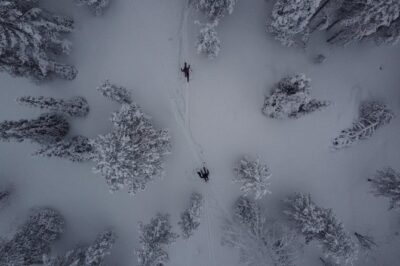
Winter woods with Terhi: why this snowshoe walk feels different in Inari
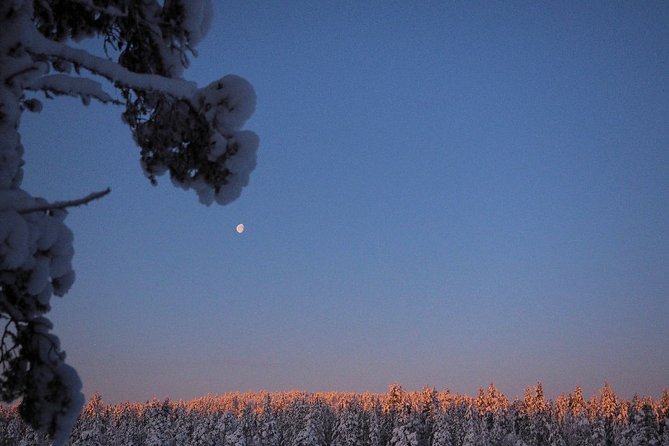
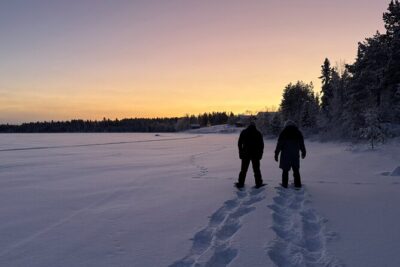
Lapland winter can be loud in your head, even when it is quiet outside. This walk helps you swap that noise for details you can see: footprints, bird behavior, plant structure, and the way the forest works when everything is under snow. Inari is a great base for that kind of attention, and the guides, Terhi and Arto, set the tone right away.
What I like is that the experience is not only about putting on snowshoes. Terhi explains the living system, with a biologist’s lens, so the forest becomes understandable instead of just pretty. You will also get a slice of local life in the Arctic, including bushcraft skills that are part of everyday survival and comfort.
The group size is capped at six people, which matters more than it sounds. Smaller groups make it easier to stop often, ask questions, and stay close enough to actually watch birds and interpret tracks. You are not fighting for view space while everyone else is shuffling to the next photo spot.
Where you start: Terstontie 123, and what happens before you hit the snow
Your tour starts at Terstontie 123 in Inari, Finland, with a start time of 10:00 am. It ends back at the same meeting point, and the total time is about 2 hours 30 minutes. That timing is long enough to get into a real rhythm, but short enough that you are not spending the whole day freezing.
Before you go far into the woods, you get familiar with the home and lifestyle in the Arctic. Several details make this practical rather than just storytelling. You learn how bushcraft skills fit into daily life, so the forest visit feels connected to how people actually live there, not like a staged activity.
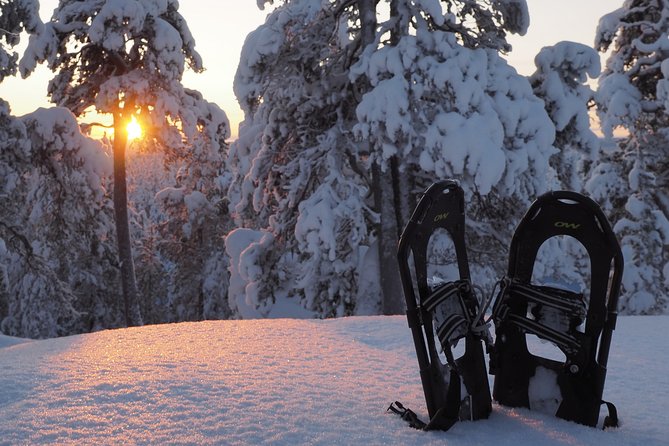
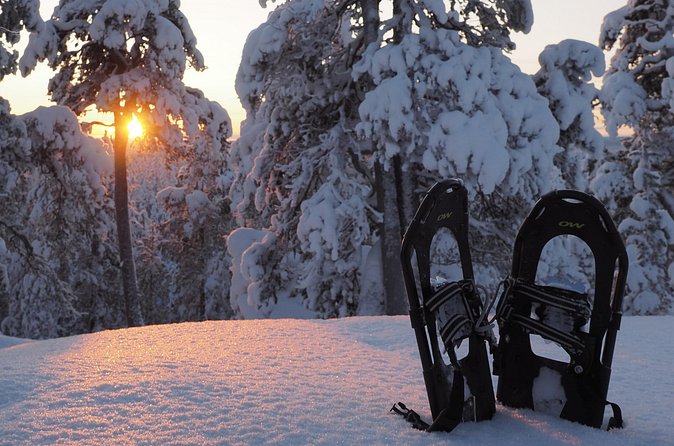
You also get set up for snowshoeing. In the experiences described by people who went, snowshoes and boots were fitted well, which is the difference between enjoying the snow and spending the walk fighting your gear. I recommend you wear warm socks, bring gloves you can move in, and plan to layer. Even with good gear, winter walk comfort is about what you can control.
Language is English, and the tour uses a mobile ticket, so you will not be hunting for paper. Service animals are allowed too, which can be a big deciding factor if you travel with a companion animal.
Into ancient Lapland woods: lakes, mystic mires, and the slow search for signs
Once the walking starts, you head into the woods along lakes and mystic mires. The forest you explore is described as part of the oldest forests in Lapland, which gives the route a stronger sense of place than a generic trail. You are not just covering distance, you are learning the pattern of the winter ecosystem.
This is where the guide’s approach pays off. Instead of telling you, here are the animals you should see, Terhi helps you read the evidence. That means paying attention to tracks and signs, then connecting them to what animals need in winter.
Animal tracks are a highlight because they turn “maybe we see wildlife” into “we can observe wildlife behavior indirectly.” Even if visibility is limited by snow and conditions, tracks and feeding patterns can still show you what is happening nearby. You will also look out for feeding birds.
Winter birds do not just show up because you are lucky. They concentrate where food is available, and the guide helps you notice that. You learn how to look for activity instead of chasing movement blindly.
A practical note: the tour is designed for most people. Still, snowshoe walking is different from a flat, paved stroll. If you have any balance issues, tell the guide early. In a group of six, that matters. You will get adjustments and a pace you can handle.
What you might see: Siberian Jay, Siberian Tit, and the odds game for elk and hare
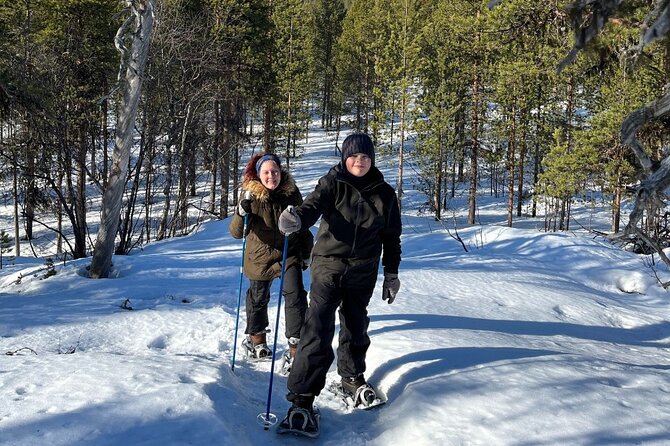
The bird list you are most likely to notice includes Siberian Jay and Siberian Tit. These species are commonly around, and knowing that makes it easier to stay engaged even when the forest feels still. A good trick is to watch how birds behave. Feeding birds tend to be more predictable than birds in flight, and the guide focuses your attention there.
With a bit of luck, the walk may also include elk and mountain hare. I like how the tour frames this as a possibility rather than a guarantee. Wildlife sightings in winter depend on timing, wind, and what else is going on in the forest. What you can control is your attention, and this experience is set up to keep your eyes busy.
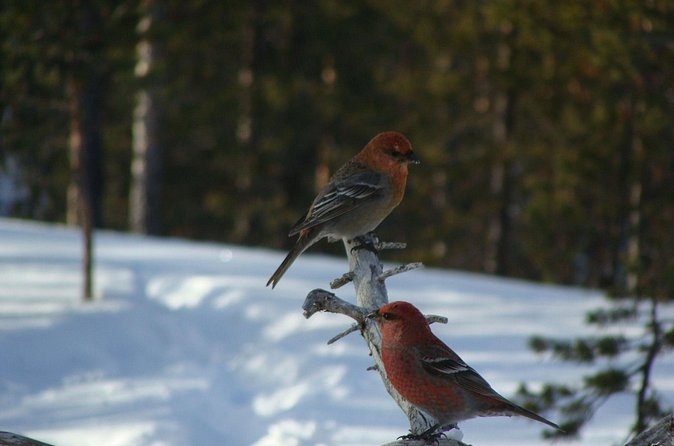
If you are visiting in mid-February or early March, there is an additional reason to pay attention: the first Pine Grosbeaks are expected to return around that time. That seasonal detail is useful because it tells you your trip date may change the bird mix. If pine grosbeaks are a priority for you, ask before you book what species are currently active.
Some people also mention learning how to recognize tracks like red fox and hare signs. That is not just fun trivia. Once you can spot those signs, the rest of your Lapland days feel sharper, because you understand what you are looking at when you walk through town or along nearby routes.
- Guided Ice Climbing Activity in Pyhä
★ 5.0 · 149 reviews - Northern Lights Auroras from Kemi-Tornio with Pickup
★ 4.5 · 44 reviews - Husky safari
★ 4.0 · 24 reviews - Ice fishing experience
★ 5.0 · 23 reviews - Classic Wilderness Skiing in the Pyhä-Luosto National Park
★ 5.0 · 23 reviews
The open-fire kota break: hot drinks, snacks, and bird watching
The walk ends back near the starting area, with a drive back to Inari before the final stop. Before you leave, you enjoy an open-fire hot drink and local snacks in a kota.
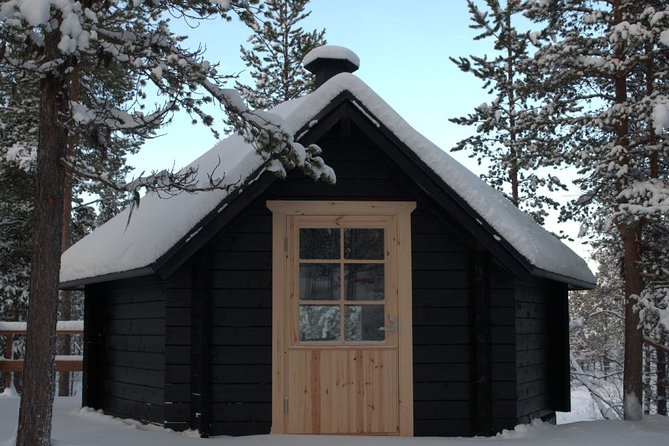
This is one of the strongest parts of the experience for a simple reason: it is a reset button. Two to three hours in cold outdoor air is mentally intense. Warming up in a traditional fire hut gives you a comfortable landing point, and it also turns the tour into a full story, not just an outing.
People describe the snack and drink time as relaxed and welcoming, with birds still in view around the campfire. Expect hot drinks like coffee or tea, along with local foods. Several descriptions include items like buns and a home-baked muffin, and some meals are described as light lunches with local produce. The food feels local because it comes from the same Arctic rhythm as the rest of the day: cook on the fire, eat warm, slow down, and watch the forest keep moving.
Arto and Terhi are the kind of hosts who ask real questions and answer yours without making you feel silly for asking. If you want to understand climate change in a real-world way, this is also a moment where the conversation tends to land on consequences, not doom. People leave with both wonder and a clearer sense of cause and effect.
Price and group size: is this $114.02 per person good value?
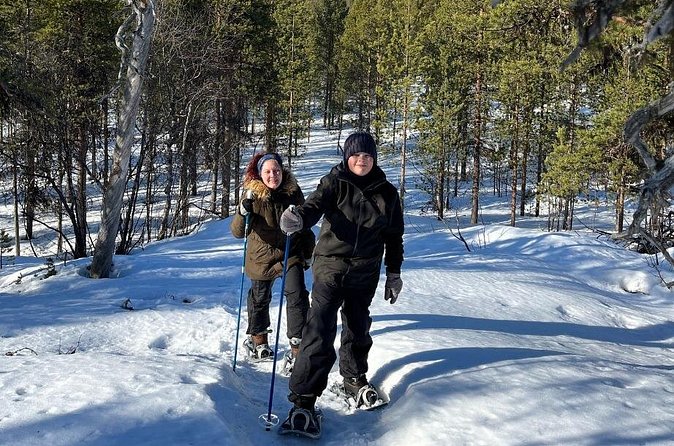
At $114.02 per person for about 2 hours 30 minutes, this is not the cheapest way to do a winter activity in Lapland. But it is also not trying to be mass entertainment. The value comes from a mix of factors that actually affect your experience.
Here is what you are paying for, in plain terms:
- Expert guide time from Terhi, who focuses on flora, fauna, and interpreting winter signs
- Small group limits to six people, which improves your chance to see birds and get answers
- Snowshoe setup and comfortable fitting, so you do not spend the walk struggling with gear
- Open-fire kota warmth plus local snacks and a hot drink, which you would otherwise have to plan and pay for separately
- A focused route into older forest areas, lakes, and mires, where winter wildlife patterns concentrate
If you are comparing costs, think less about minutes and more about how often the guide can stop, teach, and respond. A larger tour might sell the idea of snowshoeing plus wildlife, but a smaller group like this one is built for learning and attention.
Also, booking patterns matter. The tour is often booked around 25 days in advance on average, which suggests it is popular for a reason. If you have a narrow travel window, that matters for securing a date that works with your weather expectations.
Logistics that matter on the day: time, weather, and how to prepare
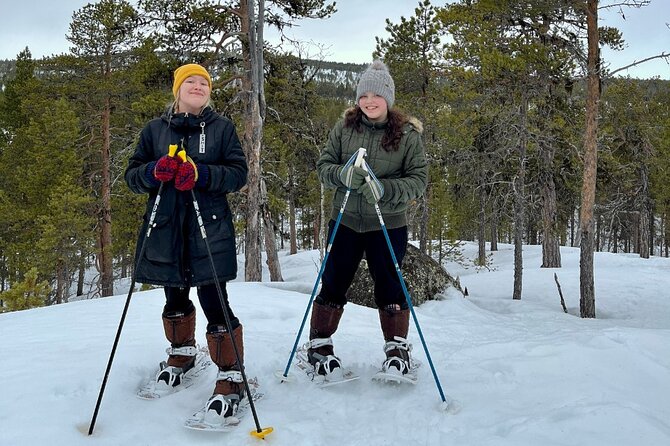
Start time is 10:00 am, and you finish back at the meeting point. That makes it easier to plan your next activity later in the day, especially if you want flexibility. The tour uses a mobile ticket, so make sure your phone battery is good, and consider keeping the ticket easy to access.
Weather is a real factor. The experience requires good weather, and if conditions are poor, you will be offered a different date or a full refund. This is not unusual for Arctic activities, but it is good to know upfront because snowshoe walking depends on safe footing and visibility.
You should also plan around cold exposure and wind. Even without exact weather details, I suggest you dress like the weather is going to surprise you. Bring a warm base layer, and keep spare gloves or a backup hat in your pack if you have room.
If you are traveling with kids, this can work, but timing matters. One review described an 11-year-old as old enough, and the guide was willing to answer questions. Still, if your child has a short attention span, plan for breaks or consider asking if there is a version of the experience that fits your child better.
If service animals are part of your travel setup, note that service animals are allowed, and that can make this feel more realistic for families and individuals who need that support.
Who should book this snowshoe walk, and who might skip it
You should book this if you want more than snowshoeing as a photo activity. This is best for people who like nature details, tracks, and bird behavior, and who enjoy learning how winter ecosystems work. If you want to walk into the woods and come out understanding what you saw, Terhi’s biologist approach is the main draw.
It also fits well if you are in Inari for a short time and want a high-impact nature experience early in your trip. People mention that doing this on their first day helped them notice more in later days, because they gained the ability to interpret what they were seeing.
If you are purely chasing wildlife sightings, this still can be wonderful, but it will feel different. The tour’s strength is evidence-based learning, not a guaranteed elk-and-owl type of promise. You might see animals and birds, but even when you do not, you can still get real value from tracks, plant observations, and the bird activity you can watch.
If you have severe mobility constraints, you should be cautious. The tour says most travelers can participate, and the group is small, but it is still a winter snowshoe walk. Your best move is to ask the provider what pace and terrain feel like right now.
FAQ
FAQ
Where is the meeting point for Winter Woods?
The meeting point is Terstontie 123, 99870 Inari, Finland. The activity ends back at the same meeting point.
What time does the snowshoe walk start?
The start time is 10:00 am.
How long is the experience?
It lasts about 2 hours 30 minutes.
Is the tour offered in English?
Yes, it is offered in English.
How many people are in a group?
This experience has a maximum of 6 travelers.
Will I get snowshoes and boots?
Snowshoes and boots are fitted for participants, based on people’s descriptions of the experience.
What animals or birds might you see?
Siberian Jay and Siberian Tit are commonly around. With luck, you might see elk and mountain hare. In mid-February or early March, the first Pine Grosbeaks may return.
Is it weather dependent?
Yes. The experience requires good weather. If it is canceled due to poor weather, you will be offered a different date or a full refund.
Can I bring a service animal?
Service animals are allowed.
Should you book Winter Woods with a local biologist?
Yes, if you like winter nature that teaches you how to look. I think this is a smart choice for anyone who wants small-group attention, a biologist guide in Terhi, and a warm kota stop that actually makes the day feel complete. The $114.02 price makes sense when you factor in equipment setup, guided wildlife interpretation, and the open-fire snack time.
Skip it or reconsider if you are only interested in easy sightseeing without walking, or if you cannot be flexible with weather. But if you are open to paying attention, this is one of those Lapland experiences that changes how the rest of your trip feels.
Snowshoe Routes We Rated
More Tour Reviews in Lapland
Latest from the Lapland notebook
- Snowmobile Safari in the Forest★ 4.5 · 3 reviews
- Private Snowshoeing Tour In Pyhätunturi With A Local Guide★ 5.0 · 3 reviews
- Capturing Auroras in Pyhä★ 4.5 · 3 reviews
- Arctic Darkness & Starlight Adventure with Snowshoes★ 5.0 · 3 reviews
- Premium Wilderness Skiing in Pyhä-Luosto National Park★ 5.0 · 4 reviews
- Korouoma Canyon & Ranua Zoo Tour★ 5.0 · 4 reviews
The rest of Snowshoeing Trips.
 ★ 4.4Rovaniemi: Hiking and Snowshoeing Adventure in LaplandFrom $104753 reviews
 ★ 4.7From Rovaniemi: Snowshoeing and Ice Fishing TourFrom $135190 reviews
 ★ 4.8Levi: Pallas-Yllästunturi National Park Snowshoeing TourFrom $187112 reviews
 ★ 4.5Rovaniemi: Winter Wilderness Snowshoeing TripFrom $104111 reviews
 ★ 4.8Saariselkä: Snowshoeing Tour in Urho Kekkonen National ParkFrom $8891 reviews
 ★ 4.7Levi: Snowshoe Adventure in the WildernessFrom $10584 reviews
 ★ 4.6Levi: Scenic Levi Snowshoe TripFrom $10483 reviews
 ★ 5.0Arctic Reindeer Farm Experience with Snowshoeing in the WildFrom $20074 reviews
Where this one also turns up