
REVIEW · SNOWSHOEING TRIPS
Snowshoeing in the Arctic Wilderness
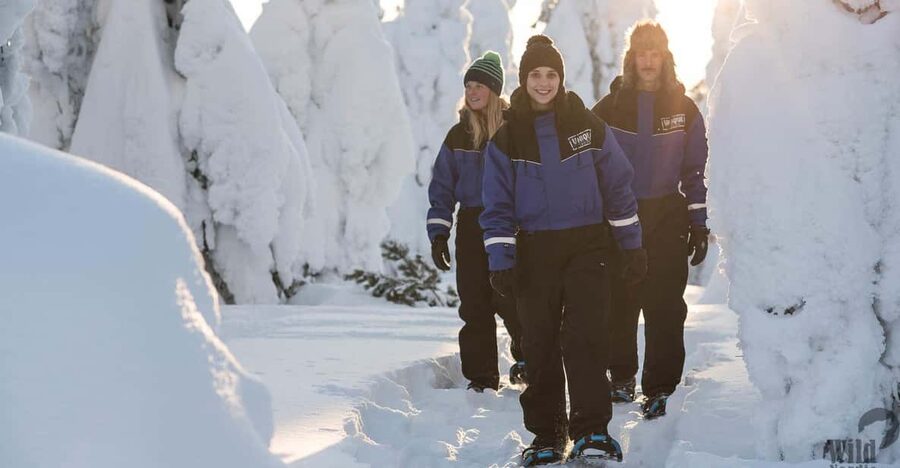
Snowshoeing in Lapland is one of the calmest ways to see the Arctic. You get frozen rapids scenery and pure winter air, plus a small group format that makes the walk feel personal. I like that the tour doesn’t rush you, and it treats the outdoors like the main event, with time for stories around the fire.
One thing to consider: this is a winter hike. It’s not built for people with mobility impairments, and it can feel physically demanding if you’re not used to snow travel, even with thermal gear provided.
In This Review
- Quick take: Lapland snowshoes, fire, and Lapland stories
- Why this snowshoeing trip feels like real Arctic time
- Pickup, van rides, and how the 4-hour clock usually works
- Getting your snowshoes right, so you can actually enjoy the walk
- Inside the Arctic woods: what you’re actually walking through
- Frozen rapids, quiet views, and the magic of winter timing
- Campfire picnic: reindeer burgers and Lapland stories
- Guides in English, and why the group size matters
- Price and value: is $140 fair for 4 hours?
- What to wear and how to make the day smoother
- Who this tour fits best, and who should skip it
- Book it or pass: my decision guide
- FAQ
- How long is the snowshoeing safari?
- What does the tour include?
- What group size should I expect?
- Where do pickups happen in Rovaniemi?
- What time do I need to be at the meeting point?
- Is the guide available in English?
- Is the tour suitable for children?
- Can the program change due to weather?
Quick take: Lapland snowshoes, fire, and Lapland stories
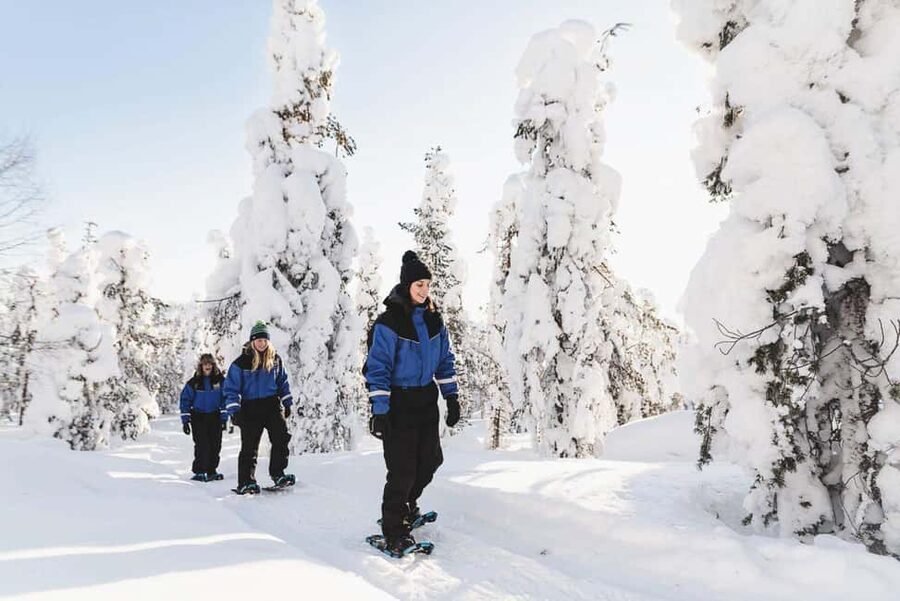
- Frozen rapids views that look especially dramatic in winter light
- Snowshoe hiking in untouched snow, where the trail rules are different
- Thermal overalls, boots, gloves, and wool socks included, so you’re not piecing together gear
- Campfire picnic with reindeer burgers, eaten fireside in the cold
- English guidance in a group of up to 8, with help for pace and technique
- Pickup and drop-off in Rovaniemi with several nearby meeting points
Slow travel on snow. More snowshoe outings

Why this snowshoeing trip feels like real Arctic time
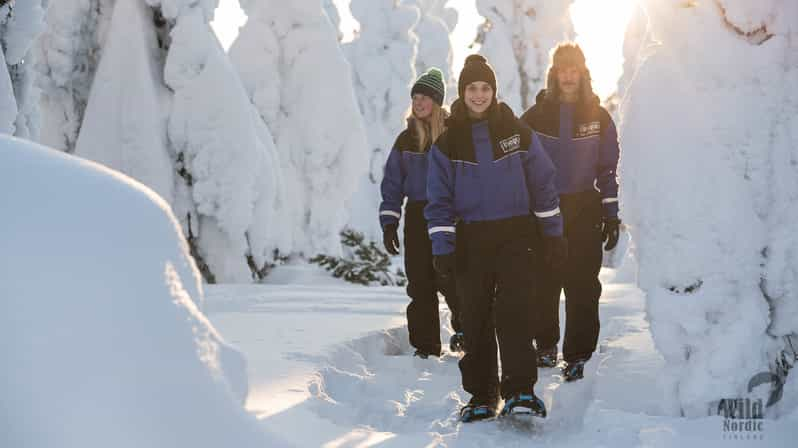
This isn’t a quick photo stop and back. The core of the experience is walking through a winter world that’s quiet in a very specific way. Snow hides the usual edges, and the sound of your steps becomes part of the rhythm. You’re not just seeing Lapland, you’re moving through it.
The tour centers on snowshoeing, a traditional way of getting around when the ground is blanketed and regular foot travel can be awkward. That matters, because it lets you access areas that would be difficult or pointless to reach on bare boots. You also get guided context, like how people in this region think about the land and surviving cold seasons.
Then there’s the human side. At the campfire picnic stop, you’ll hear stories about Lapland while you warm up by an open fire. I find that blend of outdoors and local storytelling is what turns a hike into a memory.
Pickup, van rides, and how the 4-hour clock usually works
The tour runs for about 4 hours, and it starts with pickup from Rovaniemi. You can choose among seven meeting points, including the Wild Nordic Safari Center, several hotels and lodges, and the city center pickup at Valtakatu 35. You’ll want to arrive 5 minutes early so the group can leave on time.
After pickup, expect a van transfer out into the wilderness area. The plan includes two van segments, each showing up as roughly 40 minutes in the route timing. In practice, the moment you leave Rovaniemi, you start trading city sounds for winter quiet, and you’ll be in proper snow-country before the walking begins.
There’s also a scenic secret stop on the way. It’s not the main destination, but it breaks up the drive and gives you a chance to see the region from a wider angle before snowshoes hit your boots.
At the end, you’ll return to your original drop-off locations in and around Rovaniemi. That round-trip convenience is part of why this costs what it costs. You’re paying for time saved.
Getting your snowshoes right, so you can actually enjoy the walk
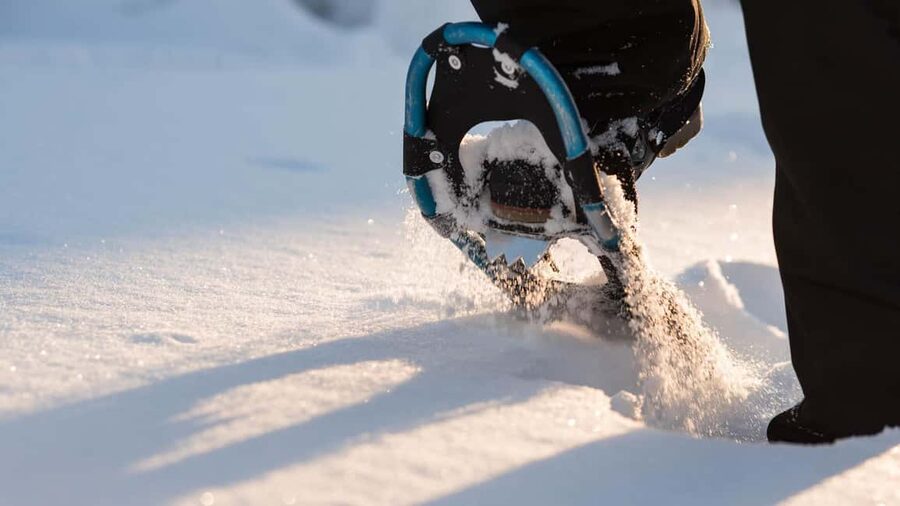
Snowshoeing sounds simple until you’re standing in deep snow with unfamiliar gear. The good news is you get use of thermal clothing during the safari, including thermal overalls, boots, gloves, and woolen socks. That covers a big part of winter comfort and safety.
Even so, the fit of the snowshoes is key. In one experience, snowshoes weren’t fitted quite right and they kept coming off during the walk. The takeaway is straightforward: before you move, ask the guide to confirm everything is secure. If anything feels loose or awkward, speak up immediately. Fixing that early saves you from frustration later.
The guided pace also matters. The walk typically starts more easily and can get more challenging depending on the route and conditions. If your goal is great photos, tell the guide you want extra scenic moments, and they can often adjust the timing. If your goal is steady walking, you can focus on keeping the group moving.
Inside the Arctic woods: what you’re actually walking through
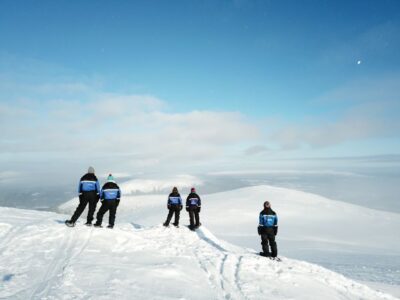
Once you’re out in the wilderness, you’ll follow your guide through snow-covered areas around the forest. The description emphasizes untouched winter scenery, including trees covered in white and snow blankets stretching into distance.
In real route variety, you might encounter terrain that feels different than a straight forest path. Some guidance experiences have included walking through swampy edges and past frozen lake or river areas, so you can expect the ground to have surprises. That’s normal in Arctic winters. Your guide’s job is to pick a safer line, set a pace the group can handle, and help you keep your footing.
What I love about this part is how the air changes you. The tour is built around breathing that clean cold air and feeling the stillness of the woods. When you pause, it’s not just pretty, it’s quiet enough that you notice your own breath.
You’ll also get scenic views along the way. The itinerary includes a planned scenic stop before the main walk, and during the hike you’ll have moments to look around and reset.
- Rovaniemi: Northern Lights Tour with Guaranteed Sightings
★ 4.6 · 3,836 reviews - Northern Lights Rovaniemi: Guaranteed Viewing & Unlimited Mileage
★ 5.0 · 2,321 reviews - Rovaniemi: Lapland Northern Lights Tour with BBQ
★ 4.0 · 1,569 reviews - Rovaniemi: Reindeer, Huskies & Santa Claus Village
★ 4.5 · 1,543 reviews - Rovaniemi: Small-Group Northern Lights Wilderness Tour
★ 4.3 · 1,515 reviews
Frozen rapids, quiet views, and the magic of winter timing
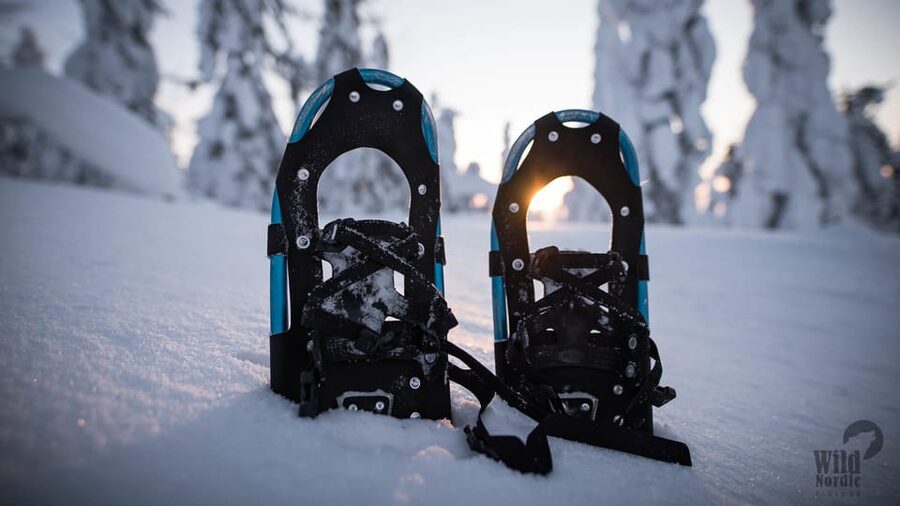
The highlights call out frozen rapids, and that’s one of the most photogenic winter features in this kind of region. Moving water looks different when it’s locked into ice, and the contrast between hard shapes and the suggestion of motion below is striking.
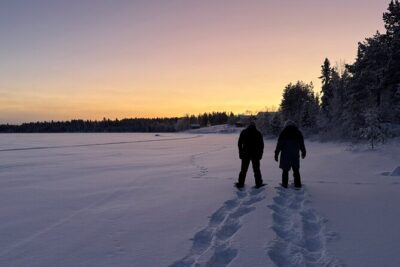
Winter timing is part of the experience. Light is lower, shadows are longer, and the white surfaces make the world feel larger. It can be hard to explain until you stand there. You don’t need to rush, because the scenery doesn’t require hustle to be dramatic.
You’ll likely feel different sensations over the same short route. One stretch can feel like deep-quiet forest, and the next can open into a view where you’re staring at frozen water or distant treelines. That shift is why the tour doesn’t feel repetitive. The guide keeps moving you through small changes in setting.
Just remember: in cold conditions, your hands and feet stay warmer when you follow the guide’s pace rather than stopping and starting every few minutes. Warm up gradually, not all at once.
Campfire picnic: reindeer burgers and Lapland stories
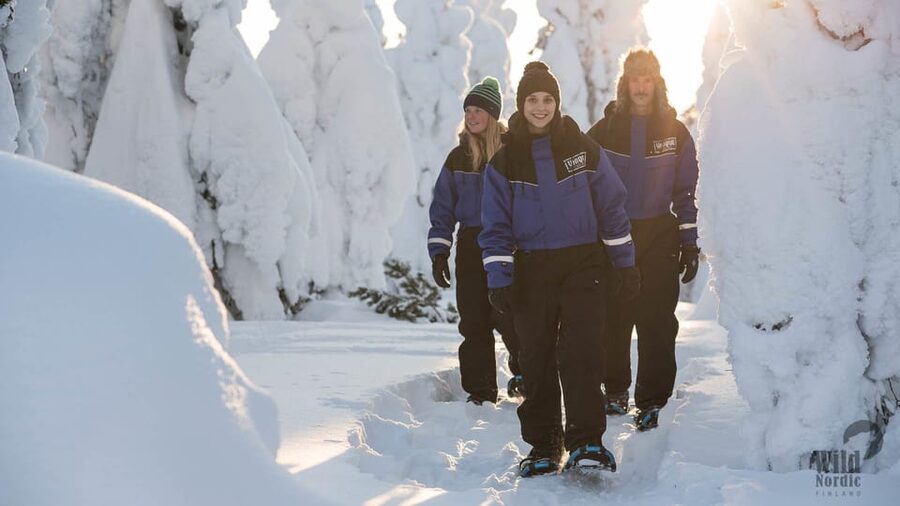
The best part of many Lapland winter tours isn’t the gear, it’s what happens after the hike. Here, the tour builds a campfire picnic around an open fire. This is where the tour turns from outdoor exercise into something more cultural and relaxed.
The included meal is traditional reindeer burgers. Eating something warm fireside changes the whole mood. It’s not just lunch, it’s a moment to slow down, warm your core, and take the edge off winter fatigue.
You’ll also hear stories about Lapland at the stop. That’s a valuable part of the experience because it gives meaning to what you’re walking through. Snowshoes, winter movement, and life around cold weather become more than a tourist activity. The stories help connect the natural setting to local ways of thinking.
If you want to learn practical skills, there’s another clue from past experiences: some guides teach simple fire-making techniques. Even if you don’t leave with a new survival superpower, you’ll likely come away knowing what to pay attention to when building a small fire in cold conditions.
Guides in English, and why the group size matters
This safari is guided in English, and the group is small, limited to 8 participants. That small size is a big deal. It means the guide can keep track of everyone’s pace, check that gear is working, and offer help without turning the walk into a production line.
The guidance style seems to vary by instructor, but there’s a consistent theme: hands-on support. Some guides are known for being helpful with everything from pacing to getting you comfortable with snow travel. Names that have come up include Antoine, Maikel, Patrick, Martin, and Siggy. The common thread is that the guide pays attention to the details that keep you safe and moving.
If the group is very small, you may also get more flexibility. One past experience noted the group of three felt awesome, because the guide could adjust timing to match interests, adding more hiking and cutting lunch time. That’s the hidden benefit of small-group travel: you’re not stuck inside a rigid script.
Price and value: is $140 fair for 4 hours?
At $140 per person for a 4-hour experience, you’re paying for three big things.
First, logistics. The tour includes return transfers from Rovaniemi meeting points. That convenience is worth real money when you’re in winter, where timing and distance can make self-planning painful.
Second, winter safety and comfort. The cost includes thermal overalls, boots, gloves, and woolen socks. That means you don’t need to buy or rent a whole winter kit just for one outing, and you start the tour warm instead of scrambling to get dressed.
Third, guide time plus food. You get English instruction, a guided hike, and traditional reindeer burgers around the open fire. Add in campfire storytelling, and it’s more than a raw hike fee.
What you should mentally check before booking is your expectations about the balance of walking versus resting. Some experiences have felt like the route included a longer stop at the barbecue moment compared to walking time. If you want nonstop movement, plan for a break.
What to wear and how to make the day smoother
You already get much of what matters most for the cold: thermal clothing during the safari, including overalls, boots, gloves, and woolen socks. That removes a common barrier for first-time Arctic snowshoeers.
My advice is to focus on comfort and mobility. Your layers under the provided overalls should let you move freely. If you have a preference for warmer or lighter underlayers, keep it simple, because you’ll still be wearing the tour-provided insulation.
Bring a mindset for slow adjustments. In snowshoe travel, the first minutes can feel a little clunky while you get used to the “extra platform” under your feet. Once you find rhythm, it gets easier.
For photos, ask the guide when it’s best to stop. In past experiences, guides helped people take good pictures in Finnish nature settings. The guide will know where the safe spots are to stand still and frame a shot without blocking others.
Who this tour fits best, and who should skip it
This is a great choice if you want:
- Quiet nature time in Arctic winter conditions
- A guided introduction to snowshoeing, with gear provided
- A warm campfire meal and Lapland stories, not just scenery
It’s not for everyone. The tour is not suitable for children under 10 years old. It also isn’t suitable for people with mobility impairments, and it can be physically demanding for those with limited physical ability.
Also, alcohol and drugs are not allowed. That’s part of the safety logic of winter wilderness travel.
If you’re an able adult who wants a scenic, guided winter walk and doesn’t mind a bit of effort in the cold, this is a very solid fit.
Book it or pass: my decision guide
Book this tour if you want an authentic Lapland feel with three pieces in the right order: snowshoe hiking through winter woods, frozen-water scenery, and a campfire picnic with reindeer burgers. The included thermal gear and the small group size make it easier to enjoy the day without worrying about equipment or crowding.
Pass on it if your top priority is maximum walking time with almost no breaks, or if mobility limits you from snowy hiking. Also skip if the idea of being out in Arctic winter conditions feels stressful rather than exciting.
For the right person, this is one of those experiences where the value comes from how much the tour takes care of the hard parts for you: transfers, warmth, guidance, and the meal that lets you actually enjoy the cold instead of just surviving it.
FAQ
How long is the snowshoeing safari?
The duration is 4 hours.
What does the tour include?
It includes return transfers from Rovaniemi meeting points, use of thermal clothing (thermal overalls, boots, gloves, and woolen socks), traditional reindeer burgers by the open fire, and English guidance.
What group size should I expect?
The group is small, limited to 8 participants.
Where do pickups happen in Rovaniemi?
There are multiple pickup options, including the Wild Nordic Finland Safari Center (Joulupukintie 1), several Lapland hotels and lodges, Santasport (Hiihtomajantie 2), and a city center pickup at Wild Nordic Rovaniemi Pick Up Point on Valtakatu 35.
What time do I need to be at the meeting point?
Please be at the meeting point 5 minutes before the given meeting time.
Is the guide available in English?
Yes, guidance is in English.
Is the tour suitable for children?
No, it is not suitable for children under 10 years old.
Can the program change due to weather?
Yes. The operator reserves the right to make alterations to the program, price, duration, or transportation, including changes due to weather conditions.
Snowshoe Routes We Rated
More Tour Reviews in Rovaniemi
Latest from the Rovaniemi notebook
- Winter highlights: Snowmobile, Arctic Animals And Santa`s Village★ 4.5 · 3 reviews
- Snowshoeing tour with Wild Lunch★ 5.0 · 3 reviews
- Full-Day Snowshoeing Adventure in Amethyst Mine Pyhä Luosto★ 5.0 · 3 reviews
- Snowmobile Safari in the Nature – Morning start★ 4.5 · 3 reviews
- Small-Group Moose Wild Safari from Rovaniemi★ 4.5 · 3 reviews
- Husky Sledding Self-driving in Rovaniemi★ 4.5 · 3 reviews
The rest of Snowshoeing Trips.
 ★ 4.4Rovaniemi: Hiking and Snowshoeing Adventure in LaplandFrom $104753 reviews
 ★ 4.7From Rovaniemi: Snowshoeing and Ice Fishing TourFrom $135190 reviews
 ★ 4.8Levi: Pallas-Yllästunturi National Park Snowshoeing TourFrom $187112 reviews
 ★ 4.5Rovaniemi: Winter Wilderness Snowshoeing TripFrom $104111 reviews
 ★ 4.8Saariselkä: Snowshoeing Tour in Urho Kekkonen National ParkFrom $8891 reviews
 ★ 4.7Levi: Snowshoe Adventure in the WildernessFrom $10584 reviews
 ★ 4.6Levi: Scenic Levi Snowshoe TripFrom $10483 reviews
 ★ 5.0Arctic Reindeer Farm Experience with Snowshoeing in the WildFrom $20074 reviews
Where this one also turns up